Hey there! If you’re reading this, odds are you’ve either stumbled onto a wet rock wool board by accident, already dealt with the headache of it, or maybe you’re a contractor, builder, or even someone DIYing a project who grabbed a stack of these bad boys and wondered, “Wait, what do I do now?” Let’s cut the corporate jargon— I’m a rock wool board supplier, not some guy in a suit with a script, so I’ll keep this real, science-backed, and straight up. No fluff, no weird acronyms you’ll never use, just what you actually need to know when your rock wool gets wet. Rock Wool Board

First off, let’s get one thing straight: rock wool isn’t like foam insulation or fiberglass. It’s made from melted basalt and recycled slag spun into those fuzzy, crumbly fibers, right? That stuff’s supposed to be water-resistant, not waterproof. There’s a difference, and that’s where a lot of folks mess up. Foam can repel water almost entirely, but rock wool’s got tiny little air pockets between those fibers that work great for trapping air (hello, insulation!)— but those same pockets can suck up water like a paper towel if it’s sitting around too long. I’ve seen this happen more times than I can count: a delivery gets left out in a random rainstorm, a window breaks mid-job and water pours into the stud bay, or you just forgot to wrap a stack sitting on a wet jobsite overnight. I’ve had a few regular contractors call me panicking at 7 a.m. on a Monday asking, “Dude, my stack of R-13 just got rained on— is it trash?”
Here’s the hard truth first: small amounts of surface moisture? No big deal, most of the time. But if it’s soggy to the touch, water’s soaked all the way through the core, and it’s been sitting there for days? That’s when you start having issues. Let’s break this down step by step, from what to do the second you notice it, to how to fix it, and when you just need to cut your losses and swap it out.
First, act fast. Rock wool dries slowly if you just leave it, so the longer you wait, the worse it gets. If it’s a delivery that got left out, grab tarps, plastic sheeting, whatever you have on site— don’t just leave it sitting in a puddle. Move it to a dry, elevated spot too. No one wants rock wool sitting on damp ground where moisture’s wicking up from below. I once had a customer store a wet stack on a dirt pad for a week, and half that stack turned mushy— way worse than if he’d just dragged it under a canopy for 24 hours.
Next, what kind of moisture are we dealing with? Surface water from a quick rain vs. a pipe burst that soaked it through? Big difference. If it’s just a light sprinkling and the top layer’s damp, but the rest is mostly dry? You can probably salvage it. For light surface moisture, here’s my go-to method: break the stack up into individual boards, stack them on edge (not flat— flat stacking traps moisture between boards) with gaps between each one so air can circulate. If you’re on a job site, use those little scrap wood blocks to prop them up off the ground, maybe a few inches apart so breeze gets through. This is key— moving them to let air flow is way more effective than just leaving them in a big clump. How long does this take? Usually 24 to 48 hours, depending on humidity and wind. If it’s a dry, breezy day? They’ll be good as new in 24. If it’s humid as hell? Maybe 48, tops. Pro tip: if you’ve got a shop fan or even a regular box fan laying around, point it at the stack— that cuts drying time in half, no lie. I always tell my customers to keep a few box fans on job sites just in case, especially if you’re working in damp seasons.
But what if it’s soaked all the way through? Like, when you squeeze a board and water drips out? That’s when you need to assess the damage. First, rock wool’s insulation rating is R-value, right? That rating depends on the fibers staying fluffy and full of air. If water’s filling those air pockets, the R-value drops hard— like, 50% or more, sometimes even more. Why? Because water conducts heat way better than air does. So a wet rock wool board that was supposed to be R-15 might only be R-8 or R-10 when it’s wet, and even when it dries, it might not get all that R-value back if the fibers got matted down. I’ve tested this stuff with customers a million times: I take a dry board, test it, get R-15, soak it, test it, get R-7, dry it out completely, and it’s usually R-12 to R-14, maybe not quite back to full, but close enough for most jobs. But if it sat wet for more than 3 or 4 days, that’s when the fibers start to break down— that’s when you get mushy, crumbly rock wool that’s basically useless.
Wait, another thing: mold. That’s the big one everyone worries about. Rock wool’s not a food source for mold, but if it’s damp for more than a few days, mold can still grow on the surface, especially if there’s dust or dirt on the fibers from the job site. So even if it dries out, you might have mold spots. How to deal with that? If it’s just surface mold, you can wipe it down with a mild bleach solution (1 part bleach, 10 parts water) or even white vinegar, then let it dry completely before installing. But if the mold’s deep in the fibers, or the board’s mushy? Toss it. No point in risking mold in the walls, that’ll come back to haunt you later.
Now, what if you already installed it wet? That’s the worst scenario, right? You just spent all day insulating a wall, and overnight a pipe burst or a window leaks. First, stop the water source immediately— that’s non-negotiable. Then, you need to get air flow into the wall cavity. Cut a small hole in the drywall (only as big as you need) and stick a fan in there, blowing air into the cavity to dry it out. If it’s a small spot, maybe a single board that got wet, you might be able to pull that one board out, dry it, and replace it. But if the whole wall’s soaked? You might have to pull a few boards out to let the cavity dry properly, otherwise you’re stuck with wet insulation that won’t insulate, and mold waiting to happen. I’ve had this happen a few times with new construction— the framer left a window open during a rain, soaked an entire exterior wall. The fix: pull the wet boards, let the cavity air out for 3 days, install new drywall, and make sure the window is properly flashed next time. Lesson learned, obviously.
When do you just say “screw it, buy new”? Let’s be real, sometimes it’s not worth salvaging. If the board is mushy, crumbles when you touch it, has more mold than not, or if it’s been wet for over a week and already started to rot (wait, rock wool doesn’t rot, but the paper or plastic facings on some boards can! Oh right, I forgot about facings. A lot of rock wool boards have a foil or paper facing for vapor barriers or radiant heat reflectors. If the facing gets soaked and starts peeling off, that’s a problem too— the facing is part of its performance, so if that’s damaged, the board won’t work as intended. So check the facing, too, not just the core.
Now, let’s talk prevention, because this is way easier than fixing a wet mess. I’ve been supplying rock wool for 8 years, so I’ve seen every mistake in the book. First, when you order, make sure your delivery is scheduled to come when you can unload it right away. Don’t leave a stack of 50 boards sitting outside overnight just because the driver shows up at 5 p.m. on a Friday. Ask for a delivery window that works for your team, or have a guy on site to unload immediately. Second, store the boards correctly— if you have a material yard, keep them under cover, on a pallet elevated off the ground, with the plastic wrap intact until you’re ready to use them. If you’re storing on a job site, build a simple lean-to with a tarp, or keep them in the back of a enclosed trailer. Third, when installing, don’t cut boards early and leave them lying around all day. Cut them right before you need to put them in the wall, so you don’t leave loose pieces exposed to dew or rain.
Wait, one common question I get a lot: “Can I use a wet rock wool board in a floor or a ceiling? Is that different from a wall?” Nope, same rules apply. Floor insulation might be easier to dry if it’s on a subfloor, because there’s more air flow under there, but same R-value drop and mold risk. Ceiling insulation that gets wet from a roof leak? If it’s in an attic, you have way more air flow, so it’ll dry faster than a wall, but if the leak is bad, you still need to check it.
Let me give you a quick real example, because I don’t like to give advice without proof. Last year, a regular contractor of mine named Mike had a stack of 20 R-19 rock wool boards get left out in a surprise thunderstorm. He noticed them at 8 a.m. the next day, called me panicking, said they were soaked all the way through. I told him to break them up, stack them on edge on scrap blocks in the back of his shop, put two box fans on them. He did that, and 36 hours later, he tested a couple— back to almost full R-value, no mold, no mush. He installed them a week later, no complaints at all. Another time, a guy named Joe left a stack out for 5 days because he was on a big job out of town, came back to mushy boards, mold growing on the surfaces. Tossed the whole stack, bought new— that cost him an extra $800, and a day of delay on his job. So that’s the difference between acting fast and not.
Now, I know a lot of you might be thinking, “What about the new hydrophobic rock wool I hear about?” Yeah, that’s a thing. Some brands make rock wool with a tiny water-repellent coating, so it resists surface moisture longer. But it’s not waterproof, and if it’s soaked through for days, it still has the same issues with R-value. So don’t rely on that to save you if you leave your stack out in a hurricane. It’s just an extra layer of protection, not a get-out-of-jail-free card.
If you’re reading this and you’re in the middle of a wet rock wool mess, and you’re not sure if you can salvage it, or you just need to replace what you lost, hit me up. I’m not one of those suppliers who will upsell you new stuff when you could save a few boards— just tell me what you’ve got, send a pic if you can, and I’ll tell you straight if it’s worth saving, or if you need new boards. No hoops to jump through, no fancy sales pitches, just real advice from a guy who’s been in the industry long enough to know how these messes happen.
Wait, let’s recap the key points so you don’t have to scroll back:
- Act immediately if you see moisture— don’t let it sit.
- Light surface moisture: separate boards, stack on edge with air flow, dry in 24-48 hours.
- Soggy, dripping boards: check for mush, mold, facing damage. Salvage only if it’s firm, no deep mold.
- If you install wet: fix the water source first, use fans to dry cavities, replace boards if needed.
- Prevent this by storing correctly, not leaving boards exposed, unload deliveries fast.
At the end of the day, rock wool is a great insulation, fire-resistant, better than fiberglass for sound, all that stuff— but it’s not invincible. A little wetness won’t kill it, but ignoring it will cost you time, money, and headaches. I’ve seen too many jobs go sideways because someone left a stack of boards out, and now I always make sure my customers know how to handle this exact situation.
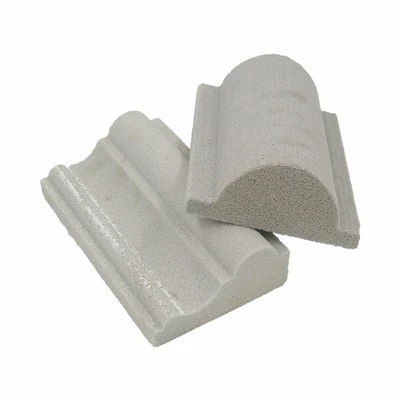
If you need new rock wool boards, or you have questions about a wet stack you’re dealing with, get in touch— I’m here to help, no B.S. Just send a message and we can work out what you need, whatever your project is, big or small.
References
EPS Sandwich Panels ASHRAE Handbook— HVAC Systems and Equipment, Chapter 25: Insulation for Mechanical Systems
National Fire Protection Association (NFPA) 70: National Electrical Code, Article 725: Rock Wool Insulation Fire Resistance
US Department of Energy: “Insulation Performance and Moisture Management” (DOE/GO-102019-5123)
Rock Wool Industry Technical Manual: “Moisture Effects on Mineral Wool Insulation R-Value and Durability” (Mineral Wool Insulation Manufacturers Association, 2021)
Shanxi Rongshengchang Trading Co., Ltd.
As one of the most professional rock wool board suppliers in China, we’re featured by quality products and good price. Please rest assured to buy premium rock wool board for sale here from our factory. Welcome to view our website for more information.
Address: No.1602, 16th Floor, Unit 4, Building 13, Pingyang Jingyuan, No.65 Pingyang Road, Pingyang Road Street, Xiaodian District, Shanxi Province, China
E-mail: postmaster@rongshengchang.com
WebSite: https://www.rongshengchang.com/
