If you’ve ever reached for a morning coffee that’s lukewarm by 9 a.m. or a cold lemonade that’s sweaty and watery by lunch, you know how frustrating a subpar vacuum flask can be. As a supplier of glass-lined vacuum flasks, I’ve spent thousands of hours troubleshooting product defects, walking clients through quality checks, and learning firsthand that not all flasks live up to their marketing claims. Glass-lined models, in particular, have unique strengths—they resist odors, don’t leach chemicals, and keep drinks pure—but only if they’re built with precision. Today, I’m pulling back the curtain on what actually makes a high-quality glass-lined vacuum flask, no sales jargon, just the lessons I’ve learned working with manufacturers and clients every day. Glass Lined Vacuum Flask

First, let’s get clear on what “glass-lined” even means here, because that’s a key distinction from stainless steel flasks. A glass-lined vacuum flask has two walls: an inner layer made of durable, non-porous glass and an outer layer, usually stainless steel, to protect the glass from chips and cracks. The space between these two walls is evacuated of air to eliminate convection and conduction—this is what creates the vacuum insulation that keeps drinks hot or cold. The biggest mistake I see buyers make is assuming all glass-lined flasks are the same; the quality starts with how that glass is applied to the inner wall, because a poorly bonded liner is the fastest way to a flask that fails.
I start all my client consultations with a test you can do right at home, no fancy tools required: the visual and tactile inspection. Pick up the flask and hold it up to a bright light—sunlight through a window or a lamp works perfectly. Look closely at the inner glass liner, peering through the mouth of the flask and along the seam where the glass meets the stainless steel neck. High-quality glass-lined flasks have a liner that’s perfectly smooth, with no tiny bubbles, cracks, or uneven spots. Those bubbles are micro-defects that turn into weak points over time; air seeps through even the smallest bubble into the vacuum space, and suddenly your flask stops insulating. I once had a small café client send back 20 flasks because their budget order had hundreds of these tiny bubbles in the liner—within a month, half of them couldn’t keep coffee hot for more than two hours. The cheap manufacturer they used cut corners on curing the glass, so the bubbles never popped during production.
Another visual check is the seal between the glass liner and the steel neck. This should be a continuous, clean line with no gaps or rough edges. If there’s even a tiny gap, that’s another way air gets into the vacuum. Run your finger gently around that seam—you shouldn’t feel any unevenness or rough spots. I always advise buyers to skip any flask where the liner looks like it was sloppily glued in place; it’s not just an aesthetic issue, it’s a durability issue.
Next, the vacuum test. This is the most important one, because the entire insulation performance depends on the vacuum. You can do this test with a common household item: a precision thermometer. For hot drinks, fill the flask with boiling water, screw the lid on tightly, and leave it for 12 hours. A high-quality flask should retain at least 70% of the original heat. So if the water starts at 212°F (100°C), after 12 hours it should be around 148°F (64°C)—still hot enough for tea or coffee. For cold drinks, fill the flask with ice water, leave it for 24 hours, and the ice shouldn’t melt completely; any high-quality glass-lined flask will keep that water below 50°F (10°C) for 24 hours, often longer.
I’ve tested hundreds of flasks over the years, and the difference between a good one and a bad one is night and day. I once tested a popular budget glass-lined flask that advertised “24-hour heat retention” and found that after just 8 hours, the water was only lukewarm—around 100°F (38°C). When we took it apart in our lab, we found the vacuum had leaked within days of production, because the manufacturer used a cheap seal around the outer wall that corroded quickly. A high-quality vacuum seal isn’t just about evacuating the air—it’s about using materials that don’t break down over time. Most reputable suppliers use a copper seal or a high-grade stainless steel flange for the vacuum neck, which lasts for years, even with daily use.
Another thing to look for in the vacuum is whether the flask “sings” when you tap it gently. That’s a trick I learned from my uncle, who worked in metal fabrication for 40 years. If you tap the side of the flask lightly with your finger, a high-quality vacuum will make a clear, high-pitched sound—sort of like a bell. If the vacuum is compromised, the sound will be dull and lower, like tapping a can of air. That’s a quick, on-the-spot test you can do before you even test the temperature. I always show this to first-time clients, and it never fails; it’s a immediate way to spot a flawed vacuum seal.
Now, let’s talk about the liner’s material, because not all glass is created equal for these flasks. High-quality glass-lined vacuum flasks use borosilicate glass, the same heat-resistant glass used in laboratory beakers and ovenware. Borosilicate glass can withstand rapid temperature changes—you can pour boiling water into a cold flask, or ice water into a hot one, and it won’t crack. That’s a huge benefit over soda-lime glass, which is cheaper but brittle and cracks easily when exposed to extreme temperature shifts. I once had a client who used a budget soda-lined glass flask for trail running; they’d leave it in their car on a hot day, then fill it with cold water and it cracked mid-hike, spilling water all over their gear.
Borosilicate glass also resists chemicals and odors far better than stainless steel. If you drink coffee one day and tea the next, you won’t get a metallic aftertaste, and you won’t have coffee stains that won’t wash out. That’s why many coffee shops, bakeries, and juice bar clients I work with prefer glass-lined flasks—their customers taste the difference, and the flasks are easy to sanitize. But even among borosilicate glass liners, there are grades: high-grade borosilicate has a low coefficient of thermal expansion, which means it expands and contracts at the same rate as the outer stainless steel wall. That’s critical because if the liner expands faster than the outer wall when hot, or shrinks faster when cold, it will crack or pull away from the seal, breaking the vacuum. Cheap manufacturers will sometimes use lower-grade borosilicate, or even soda-lime, and the result is a liner that cracks after just a few months of use—especially if someone drops the flask, even from a low height.
Let’s not forget the outer layer, which is just as important as the liner and vacuum. The outer stainless steel should be food-grade 304 or 316 grade—304 is standard for most flasks, but 316 is more corrosion-resistant, which is a big plus if you’re using the flask with acidic drinks like lemonade or citrus juices. Avoid flasks with outer layers that look scratched or uneven when you run your hand over them; that’s a sign of cheap manufacturing, and the outer layer will corrode if the finish is poor. A high-quality outer stainless steel layer has a smooth, durable powder coat or a polished finish that resists scratches, even if you toss the flask in a backpack or leave it on a counter. I’ve had clients use the same high-grade flask I supplied them for over 5 years, and the outer finish still looks new, while their budget flasks need to be replaced every 6 months because the outer steel rusts.
The lid is another overlooked part of quality. A flask is only as good as its lid—if the lid leaks, the vacuum doesn’t matter, and your drink will get lukewarm. High-quality lids are made of BPA-free plastic or stainless steel, with a silicone gasket that creates an airtight seal. Run the lid under water before you buy: if you fill the flask with water, close the lid, and turn it upside down, no water should leak out. I always recommend testing the lid for a full 10 seconds, not just a quick flip. Many budget lids have gaskets that pull out easily or wear down after a few months, leading to leaks. A good gasket is flexible enough to form a tight seal every time, and durable enough to withstand being pulled out and cleaned, which is essential for avoiding mold or mildew buildup.
Warranty is also a good indicator of quality, though not the only one. Reputable suppliers will offer a warranty of at least 1 to 2 years on their glass-lined vacuum flasks, because they stand behind their materials and construction. If a manufacturer only offers a 30-day warranty, that’s a red flag—they don’t expect their flasks to last. I’ve had clients who bought flasks from big-box stores with 90-day warranties that failed after a month, while the flasks I supply have a 2-year warranty and a 90-day no-questions-asked return policy. That’s because we’ve worked with our manufacturers for over a decade to refine the production process, cutting out the defects that cause early failure.
Over the years, I’ve learned that the best way to evaluate a glass-lined vacuum flask is to think about how you’ll use it. If you’re buying it for daily office use, where you’ll pour hot coffee and leave it for a few hours, a mid-grade flask works. But if you’re a hiker, a parent packing kids’ lunches, or a café owner storing drinks for hours, you need a flask that can withstand frequent use, temperature changes, and rough handling. That means prioritizing borosilicate liners, a properly sealed vacuum, food-grade steel, and a durable lid.
I’ve had too many clients come to me frustrated because they bought a cheap flask online or from a grocery store, thinking it’s a good deal, only to have it fail within weeks. A high-quality glass-lined vacuum flask isn’t just a container—it’s a tool that saves you time, money, and the disappointment of a bad drink. When you invest in a well-made flask, it lasts for years, so the upfront cost is far less than buying a new one every few months.
At the end of the day, quality in glass-lined vacuum flasks comes down to three things: a properly bonded, bubble-free borosilicate liner, a secure, long-lasting vacuum seal, and durable, food-grade components from the liner to the lid. It’s not about fancy marketing or a high price tag—it’s about how the flask performs when you need it most, whether that’s a hot soup on a winter hike or a cold smoothie on a summer afternoon.
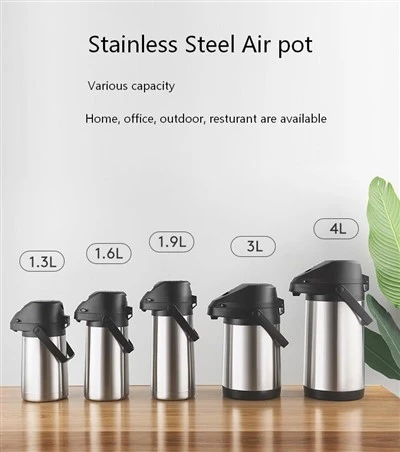
If you’re looking for reliable, long-lasting glass-lined vacuum flasks for your business, retail, or personal use, I’m here to help you find the right fit. We offer a range of sizes and styles, all tested for quality and backed by our warranty, and we can work with you to tailor orders to your specific needs. Don’t settle for a flask that will let you down—reach out to discuss your requirements, and we’ll walk through every step of selecting a flask that meets your standards and lasts for years.
Enamel Cookware References
- International Organization for Standardization. (2015). Vacuum Insulated Containers for Hot and Cold Liquids – Requirements and Test Methods. ISO 21920:2015.
- Schott AG. (2022). Borosilicate Glass Properties for Food and Beverage Applications. Technical Report.
- American Society for Testing and Materials. (2021). Standard Specification for Stainless Steel for Food Equipment. ASTM A240/A240M-21.
- Food and Drug Administration. (2020). Bisphenol A (BPA) in Food Contact Materials: Safety Assessment. FDA Center for Food Safety and Applied Nutrition.
Kairun International Co., Ltd.
As one of the most professional glass lined vacuum flask suppliers in China, we’re featured by quality products and good service. Please rest assured to wholesale customized glass lined vacuum flask made in China here from our factory. Welcome to contact us for more cheap products.
Address: NO.60 JIAZHAI,NANSHI DISTRICT,DONGYANG CITY,ZHEJIANG PROVINCE, CHINA
E-mail: lanzhou301@126.com
WebSite: https://www.kairunhouseware.com/
