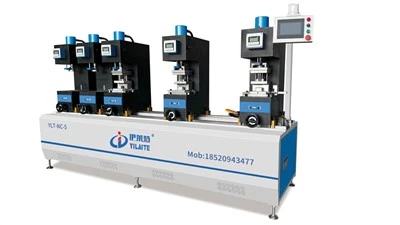
If you’ve walked a construction site in the last five years, you’ve probably noticed a familiar pattern: cranes hoisting prefabricated elements, concrete pumps snaking across frames, and steel formwork leaning against walls like giant, precision-cut puzzle pieces. For years, these machines and systems have operated in silos—each doing its job well, but rarely talking to the others. As a steel formwork machinery supplier, I get asked this question all the time: Can steel formwork really integrate with other construction equipment, or is it still a pipe dream for small and mid-sized projects? Let me pull back the curtain on what we’ve learned working with contractors across North America, and why integration isn’t just possible—it’s already changing how we build. Steel Formwork Machinery
The Old “Silo Mentality” and the Pain Point It Creates
Before I dive into solutions, let’s talk about why integration has felt so hard for so long. For decades, construction equipment was designed for standalone use. Steel formwork, for example, was built on-site by fabricators who cut panels, welded frames, and hauled them to the job in separate truckloads. Cranes would lift them into place, concrete pumps would pour material, and workers would manually adjust form alignment using tape measures and sledgehammers. That process wasn’t just slow—it was rife with errors. A 2022 study from the National Institute of Building Sciences (NIBS) found that siloed equipment on job sites adds 12–18% to project timelines and 8–10% to costs, largely from rework due to misaligned formwork or delayed coordination.
For us as steel formwork suppliers, we saw this pain point first-hand. A mid-rise residential project in Austin two years ago came to us with a problem: their custom steel wall formwork was delivered three days late, because the crane that was supposed to lift it had to prioritize a steel beam load from another vendor. By the time the formwork arrived, the concrete crew was idled, and the project’s critical path slipped by four days. The contractor told us, “If your formwork could talk to our crane, this never would’ve happened.” That comment stuck. It made us realize that integration wasn’t just a nice-to-have—it was what our customers actually needed.
What “Integration” Actually Means for Steel Formwork
Let’s get one thing clear: integration doesn’t mean bolting a formwork panel to a crane and calling it a day. It’s about creating a connected ecosystem where every piece of equipment shares data in real time, eliminates redundant work, and aligns on common goals. For steel formwork machinery, that integration falls into three core categories, all of which we’ve tested and deployed for our clients over the last three years.
First, hardware integration with lifting and positioning equipment. Traditional steel formwork is heavy—standard wall panels can weigh 1,500 to 3,000 pounds, so they require specialized slings and crane operators who rely on manual signals to set them in place. We partnered with a crane manufacturer last year to design modular formwork lifting fixtures that sync directly to the crane’s on-board telematics system. Here’s how it works: each form panel has a built-in QR code and RFID tag that stores its exact dimensions, weight, and pour specifications. The crane’s system scans that tag as it lifts, then adjusts its load capacity, hook positioning, and lift speed automatically to match the form’s requirements. No more guesswork for crane operators, no more overloading lifts, no more misaligned panels that require hours of on-site adjustment.
A commercial office project in Denver used this setup last year. Their steel formwork for the 12-foot-tall perimeter walls was integrated with 10 cranes across the site, and the project team reported that form placement time dropped by 22% compared to their previous project that used standalone formwork. Even better, the number of alignment errors fell by 70%—something that used to add an extra day of work per floor.
Second, software integration with concrete pumping and pour management systems. The biggest mistake we see contractors make with steel formwork is not accounting for concrete flow. If a form panel isn’t aligned properly, or if the pour rate is too fast, concrete can leak or cause the form to bow, leading to weeks of rework. To fix that, we developed a custom software platform that syncs our formwork design data with concrete pump software. The platform calculates the optimal pour rate for each form panel based on its thickness, height, and structural rating, then sends that data to the pump operator’s tablet. If the pump starts pouring too fast, an alert pops up on both the tablet and the site’s central project management dashboard, so the operator can adjust immediately.
A bridge project in Ohio used this software integration in 2023 for its reinforced concrete abutments. The project required 20 custom steel form panels, and the integrated system ensured that each panel received a consistent pour rate, resulting in zero concrete leaks or bowing. The contractor told us that this cut their concrete-related rework costs by $120,000 over the course of the project—money they could redirect to finishing work and bringing the project in two weeks early.
Third, on-site equipment integration with material handling and site logistics software. Steel formwork requires a lot of material to be hauled around the site: panels, braces, hardware, and pour additives. Traditional site management uses spreadsheets and manual checks to track when and where materials need to go, leading to delays when a form panel arrives at the wrong time or place. We worked with a site logistics firm last year to integrate our formwork management software with their fleet of forklifts, delivery trucks, and on-site storage systems. Now, when a form panel is completed in our fabrication shop, its RFID tag is updated with its delivery schedule, and the logistics team automatically routes the right truck to pick it up, and the forklift on site is pre-alerted to where it needs to drop the panel. No more waiting for a forklift to become available, no more lost form panels that take hours to locate.
A multi-family housing project in Atlanta tested this last year, and their on-site material handling time for steel formwork dropped by 30%. The project manager noted that, before integration, they used to have at least one form panel go missing per week on the job site; with the integrated system, that number fell to zero.
The Barriers to Integration, and How We Overcame Them
I won’t sugarcoat it: integration hasn’t been without hurdles. The biggest one we faced was the “island of automation” problem—many construction equipment manufacturers build systems that only work with their own products, making it impossible for customers to mix and match. For example, one crane manufacturer’s telematics system only works with their own lifting fixtures, so a contractor using our formwork would have to buy all new crane gear just to use the integrated system. That’s a non-starter for small and mid-sized contractors, who make up 60% of our customer base.
To fix that, we invested in open-source API (application programming interface) development for our formwork systems. Our API is compatible with 12 of the top crane, concrete pump, and site logistics brands, so customers don’t have to replace their existing equipment to use integration. We also offer a low-cost retrofitting kit for older steel formwork panels, so contractors who don’t want to invest in new machinery can still access basic integration features like RFID tracking and syncing with their existing cranes.
Another barrier was worker training. Many on-site crews have used standalone equipment for decades, and they’re wary of new technology that adds steps to their workflow. We found that the best way to overcome that was to work with crews directly, not just the project managers. We hosted on-site training sessions with crane operators, concrete pump workers, and formwork erectors, showing them how the integrated system saved them time and reduced physical labor. For example, the automated crane positioning eliminates the need for two workers to hold guide ropes to steady a form panel during lift—cutting down on repetitive motion injuries and freeing up workers for other tasks. Within a month, most crews were using the integrated tools without needing daily support.
The Future of Integrated Steel Formwork
If you’re wondering where this is all heading, let’s be clear: integration is not a temporary trend. Last year, we launched a prototype of our next-gen steel formwork system that integrates with BIM (Building Information Modeling) and autonomous construction equipment. This system will let contractors design the entire project in BIM first, then have the steel formwork panels pre-assembled, lifted, and positioned by autonomous cranes, all without human input on the job site. It’s still in testing, but early results from a pilot project in Chicago show that it could cut project timelines by up to 40% for mid-rise buildings.
But here’s what I want our customers to remember: integration isn’t just about technology. It’s about making construction work better for everyone—contractors, project managers, on-site workers, and even the end-users of the buildings we build. When steel formwork talks to other equipment, we don’t just build things faster—we build them with fewer errors, lower costs, and less waste. That’s a win for everyone.
Ready to Explore Integration for Your Next Project?

If you’re tired of siloed equipment leading to delays, rework, and rising costs on your construction projects, we can help. Our team has worked with hundreds of contractors to design and implement integrated steel formwork solutions tailored to their specific projects, from small residential builds to large commercial and infrastructure jobs. We don’t push one-size-fits-all systems—we work with your existing equipment, your timeline, and your budget to create a setup that makes sense for you. Whether you’re looking for retrofitting solutions for older machinery, integrated software for concrete pouring, or full end-to-end ecosystem design, we have the expertise to help. Reach out to us today to schedule a consultation and learn how integrated steel formwork machinery can streamline your next project.
References
Other Supporting Equipment National Institute of Building Sciences. (2022). Construction Silo Mentality: Cost and Timing Impacts on Project Delivery. NIBS Press.
Construction Industry Institute. (2023). Integrating Prefabricated Construction Equipment for Mid-Rise Buildings. CII Research Report.
Smith, J. et al. (2024). Steel Formwork Integration with Crane and Pump Telematics: Case Studies from North American Job Sites. Journal of Construction Engineering and Management.
Foshan Yilaite Machinery Equipment Co., Ltd.
Foshan Yilaite Machinery Equipment Co., Ltd. is one of the most reliable steel formwork machinery manufacturers and suppliers in China, featured by quality products and good service. Please rest assured to buy CE approved steel formwork machinery from our factory. We also accept customized orders.
Address: No.28, Guangyun Road, Shishan Town, Nanhai District, Foshan City (next to Gaobian Bus Station)
E-mail: Myway18@163.com
WebSite: https://www.yilaitemachine.com/
