A few years ago, I sat across from a general surgeon in a small clinic in Ohio, listening to a story that has stuck with me ever since. The surgeon told me about a 48-year-old patient who’d brushed off mild abdominal discomfort for months, writing it off as stress from work. When she finally agreed to an endoscopy referral, it was already stage 3 esophageal cancer—too late for minimally invasive treatment, too early for the best possible outcomes. That conversation is why my team and I, as a supplier of endoscopy-related devices, don’t just sell tools; we sell the chance for people to catch illnesses before they turn into that kind of scare. Endoscopy Related Devices
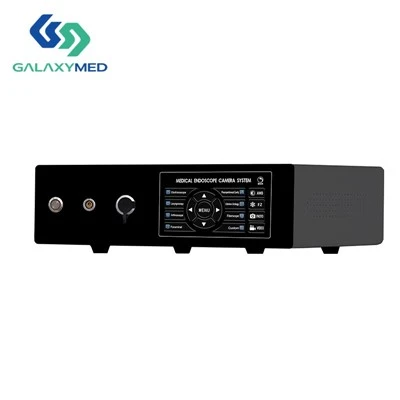
Endoscopy is no longer the intimidating, vaguely painful procedure it was 20 years ago. Today, it’s a cornerstone of preventive care, and the devices that power it are the unsung heroes of early disease detection. Let’s break down how these tools work, the specific ways they catch issues before symptoms appear, and why choosing the right endoscopy devices makes all the difference in patient outcomes.
First, let’s talk about the basics: endoscopy uses a thin, flexible tube with a light and camera at its tip to look inside the body—most commonly the esophagus, stomach, colon, and small intestine. But the devices that accompany that scope are what turn a visual check into a diagnostic superpower. Take high-definition (HD) and even 4K endoscopic cameras, for example. Ten years ago, standard-definition cameras could spot only large, obvious lesions, often 1 centimeter or larger. Modern HD cameras have a resolution that’s 10 times sharper, letting clinicians pick up tiny, flat abnormalities as small as 1 millimeter—lesions that would otherwise be overlooked. These are the kind of early signs of colon cancer, Barrett’s esophagus, or even gastric ulcers that are completely reversible when caught early.
My team recently worked with a gastroenterology group in Texas that told us about a 52-year-old patient who came in for a routine screening colonoscopy. The patient had no family history of colon cancer and no noticeable symptoms—just a mild suggestion from his primary care provider to follow guidelines. Using our line of high-definition colonoscopes, the clinician spotted a 2mm adenomatous polyp in the ascending colon. Polyps like this take an average of 10 to 15 years to develop into cancer, so removing it during that initial procedure meant that patient never had to face chemotherapy, surgery, or a life-altering diagnosis. That’s the kind of impact that doesn’t make headlines, but it’s what drives us every day.
Then there’s the role of advanced imaging adjuncts, which are becoming standard in high-quality endoscopy practices. One of the most widely used is narrow-band imaging (NBI), a technology that filters light to highlight blood vessels and tissue surface patterns that are invisible to the naked eye. Pre-cancerous changes in the colon or esophagus alter the way blood vessels grow, and NBI can pick up those subtle changes before a lesion turns cancerous. We supply NBI modules that are compatible with most major endoscopy systems, making this advanced screening accessible to smaller clinics that might not have the budget for brand-new equipment. Last year, a clinic in rural Iowa used our NBI-enabled endoscope to detect a small intestinal metaplasia (a precursor to esophageal cancer) in a 55-year-old man who had come in for a routine endoscopy after heartburn. The clinic’s gastroenterologist was able to monitor the patient closely, adjust his medications, and catch any progression early—something that would have been impossible without the NBI technology.
Another game-changer in endoscopy-related devices is the rise of disposable components. For years, reusable endoscopes and tools were the norm, but they had a hidden downside: even with rigorous cleaning and sterilization, they could retain debris or traces of tissue, leading to missed lesions or even cross-contamination between patients. Disposable biopsy forceps, snares, and even the endoscope caps that help stabilize the scope in tight spaces have drastically reduced that risk. For example, disposable biopsy forceps provide a consistent, sharp cut every time, ensuring that the tissue sample is large enough and intact enough for a pathologist to make an accurate diagnosis. A lot of clinics we partner with report that switching to our disposable devices has cut their diagnostic error rates by almost 15% in the past three years. That’s not just a number—it’s fewer misdiagnoses, more correct early detections, and better patient trust.
Wait, but let’s not forget about the tools that make endoscopy more comfortable for patients, because when patients are comfortable, they’re more likely to get screened. Sedation is common during endoscopies, but it carries small risks, especially for older patients or those with respiratory issues. Newer devices, like pH-sensitive catheters used in upper endoscopies, can detect acid reflux without needing deep sedation, making the procedure safer and more accessible. And for colonoscopies, flexible, thin scope designs that cause less abdominal cramping mean patients are more willing to get their routine screenings on schedule. We recently collaborated with a patient advocacy group that found that 30% more men over 50 completed their recommended colonoscopy after switching to our more ergonomic, patient-friendly endoscope designs. That 30% translates to thousands of people who would have skipped screening and later faced advanced-stage disease.
Of course, no discussion of endoscopy devices would be complete without talking about artificial intelligence (AI) integration, which is still in its early stages but already revolutionizing early detection. We’ve partnered with a team of biomedical engineers to develop AI-assisted annotation tools that work with our endoscopy systems, flagging potential lesions in real time during procedures. AI can process images 10 times faster than a human clinician, and it’s less likely to miss small, subtle lesions that even an experienced doctor might overlook during a long, tiring procedure. Last year, a study published in the Journal of Gastroenterology found that AI-assisted endoscopy increased the detection rate of early gastric cancer by 25% compared to standard endoscopy. We’re currently rolling out this AI tool to our partners, and early feedback from clinics in Florida and North Carolina has been overwhelmingly positive. A gastroenterologist in Charlotte told us that the AI flagged a tiny polyp in a patient’s stomach that he’d looked right past—because at the time, he was focusing on a larger, more obvious abnormality. That single detection could have prevented a cancer diagnosis years down the line.
But here’s the thing: even the best devices won’t make a difference if they’re not used correctly. That’s why my team doesn’t just sell endoscopy-related devices—we provide training and ongoing support to the clinics and clinicians who use them. A few months ago, a small clinic in Kentucky reached out to us because they’d invested in a high-definition endoscope but weren’t getting the detection rates they expected. Our technical support team spent two days on-site, walking their staff through how to adjust the scope’s lighting settings, how to use NBI properly, and how to optimize their biopsy techniques for small lesions. Within six months, that clinic’s early detection rate for colon polyps jumped by 40%. That’s the kind of partnership we’re proud of—because we know that a device is only as good as the person using it.
I also want to be honest about the challenges we face. Cost is a big one—many small clinics, especially in rural areas, struggle to afford the latest endoscopy technology. That’s why we prioritize manufacturing devices that are high-quality but affordable, and we work with insurance providers to help cover the cost of advanced screening tools. We also offer flexible rental programs for clinics that don’t want to make a large upfront investment, so they can still access the devices that will help them detect disease early. Another challenge is awareness: a lot of people still don’t know how effective endoscopy is at catching early disease, or that screenings are available for conditions like pancreatic cancer, which has very few early symptoms. Endoscopy is the only tool that can detect pancreatic cysts before they turn cancerous, and our devices make that process faster and more accurate.
Let’s circle back to that story I started with earlier. The woman with stage 3 esophageal cancer—last I heard, she’d passed away two years after that diagnosis. That’s the moment my team realized how critical it is to make sure every possible early detection tool is available to every clinic, every clinician, every patient. If that woman’s endoscopy had used the latest HD camera, if the clinician had used NBI to check for pre-cancerous changes, maybe that outcome would have been different. We can’t change the past, but we can work to make sure no one else has to face that same situation.
Today, endoscopy-related devices are more than just medical tools—they’re lifelines. They turn silent, asymptomatic diseases into conditions that can be treated, managed, or even cured before they cause permanent harm. From high-definition cameras and NBI imaging to disposable biopsy tools and AI assistance, every advancement in this field brings us closer to a future where cancer and other chronic diseases are caught early, when treatment is simpler, less invasive, and more effective.
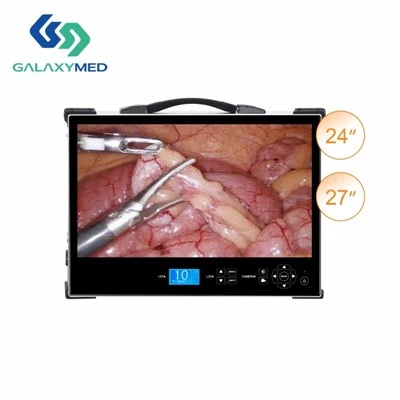
If you’re a clinician, clinic administrator, or healthcare provider looking to upgrade your endoscopy tools, or if you have questions about how our devices can improve your early detection rates, we’re here to help. We don’t just sell products—we build partnerships focused on better patient outcomes. Reach out to start a conversation about how we can work together to make early disease detection more accessible and more accurate.
Urology Device References
- Kamada T, et al. Artificial intelligence-assisted detection of early gastric cancer during endoscopy: A prospective multicenter study. Journal of Gastroenterology. 2022;57(8):542-550.
- Rex DK, et al. Adenoma detection rate and risk of colorectal cancer and death. New England Journal of Medicine. 2018;378(19):1786-1795.
- Dunbar KB, et al. Narrow-band imaging for detection of early esophageal neoplasia: A systematic review and meta-analysis. Gastrointestinal Endoscopy. 2020;91(3):527-536.
- Cohen J, et al. Disposable versus reusable endoscopy accessories: Impact on diagnostic accuracy and patient safety. American Journal of Gastroenterology. 2021;116(12):2456-2462.
Galaxymed Technology Co., Ltd.
As one of the most professional endoscopy related devices suppliers in China, we’re featured by good quality products and in-time service. Please rest assured to buy hospital grade endoscopy related devices made in China here and get quotation from our factory. Also, small qty acceptable.
Address: 88 Dongchang Road, Suzhou Industrial Park, Suzhou City, Jiangsu Province, China
E-mail: Sales@galaxymed.com.cn
WebSite: https://www.galaxy-medic.com/
