Industrial grade polyaluminium chloride (PAC) is a widely used water treatment chemical known for its excellent coagulation and flocculation properties. As a supplier of industrial grade polyaluminium chloride, I am often asked about the production process. In this blog, I will take you through the step – by – step journey of how industrial grade polyaluminium chloride is produced. Industrial Grade Polyaluminium Chloride

Raw Materials Selection
The first crucial step in producing industrial grade PAC is the careful selection of raw materials. Commonly, we source bauxite, hydrochloric acid, and calcium aluminate powder. Bauxite is a key source of aluminum oxide. High – quality bauxite with a high aluminum content is preferred as it directly impacts the quality of the final PAC product. The aluminum content in bauxite can range from 30% to over 60%.
Hydrochloric acid is another essential raw material. It is used to react with bauxite to extract aluminum ions. The concentration of hydrochloric acid typically ranges from 20% to 31%. The quality and concentration of hydrochloric acid affect the reaction rate and the purity of the resulting PAC.
Calcium aluminate powder is added to adjust the basicity of the PAC. It helps in optimizing the coagulation performance of the final product. The selection of these raw materials is not only about their chemical properties but also about their cost – effectiveness and availability. As a supplier, we have established long – term relationships with reliable raw material suppliers to ensure a stable supply and consistent quality.
Pretreatment of Raw Materials
Before the main reaction, the raw materials undergo pretreatment. Bauxite ore is crushed into small particles. This increases the surface area of the bauxite, facilitating a more efficient reaction with hydrochloric acid. The crushed bauxite is then screened to remove any large impurities or stones.
Hydrochloric acid is also inspected for its purity and concentration. If necessary, it can be diluted or concentrated to the appropriate level for the reaction. Calcium aluminate powder is checked for its particle size and chemical composition to ensure its proper functioning during the production process.
The Reaction Process
The core of PAC production is the chemical reaction between bauxite and hydrochloric acid. In a large – scale reaction tank, the crushed bauxite is mixed with hydrochloric acid. The reaction takes place under controlled temperature and pressure conditions. The recommended temperature for this reaction is usually between 100°C and 120°C. The pressure is maintained at a slightly elevated level to accelerate the reaction rate.
The chemical reaction can be represented by the following simplified equation:
[Al_{2}O_{3}+6HCl = 2AlCl_{3}+3H_{2}O]
This reaction results in the formation of aluminum chloride in the solution. However, to obtain polyaluminium chloride, further polymerization is required. This is where calcium aluminate powder comes into play. When calcium aluminate powder is added to the reaction solution, it provides additional aluminum ions and also helps in adjusting the pH and basicity of the solution.
The basicity of PAC is an important parameter that affects its coagulation performance. A suitable basicity range for industrial grade PAC is typically between 40% and 90%. By carefully controlling the amount of calcium aluminate powder added, we can achieve the desired basicity of the final product.
During the reaction, continuous stirring is required to ensure uniform mixing of the reactants. The reaction time can vary from several hours to a day, depending on the scale of production and the reaction conditions.
Filtration and Purification
After the reaction is complete, the resulting solution contains not only polyaluminium chloride but also some impurities such as unreacted bauxite particles, iron compounds, and other insoluble substances. Filtration is carried out to remove these impurities. A multi – stage filtration system is often employed, starting with a coarse filter to remove large particles and then followed by a fine filter to remove smaller impurities.
Purification may also involve processes such as sedimentation and centrifugation. Sedimentation allows the heavier impurities to settle at the bottom of the tank, and the clear supernatant containing PAC is then carefully decanted. Centrifugation can further separate the remaining fine particles from the solution, resulting in a purer PAC product.
Concentration and Drying
The purified PAC solution usually has a relatively low concentration. To obtain the final solid – state industrial grade PAC, the solution needs to be concentrated. This is often done through evaporation. The PAC solution is heated under reduced pressure in an evaporator. This helps in removing the excess water without causing thermal degradation of the PAC.
After concentration, the concentrated solution may still contain some moisture. Drying is the final step to obtain the dry powder – form PAC. Spray drying is a commonly used method in the industry. In spray drying, the concentrated PAC solution is atomized into fine droplets, which are then dried by hot air in a drying chamber. The resulting PAC powder has a high surface area and good solubility, which is ideal for water treatment applications.
Quality Control
Throughout the entire production process, strict quality control measures are implemented. We regularly test the raw materials for their chemical composition and physical properties. During the reaction, parameters such as temperature, pressure, and reaction time are closely monitored.
After production, the final PAC product is tested for a series of quality indicators. These include aluminum content, basicity, heavy metal content (such as lead, cadmium, and mercury), and solubility. Only products that meet the relevant national and international standards can be released to the market.
Packaging and Storage
Once the industrial grade PAC passes the quality control tests, it is packaged in suitable containers. Common packaging materials include plastic bags, woven bags lined with plastic, and drums. The packaging should be able to protect the PAC from moisture and contamination during transportation and storage.
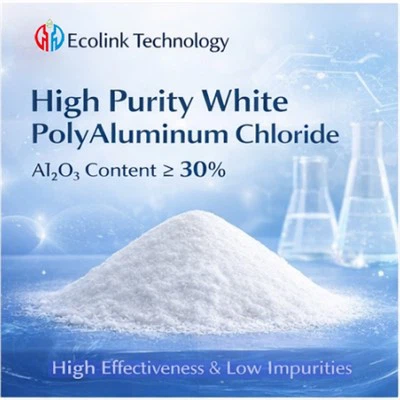
Proper storage conditions are also crucial to maintain the quality of PAC. It should be stored in a dry, well – ventilated place away from direct sunlight. The storage temperature should be within a reasonable range, usually between – 20°C and 40°C.
Conclusion and Contact
Anionic Polyacrylamide In conclusion, the production of industrial grade polyaluminium chloride is a complex and carefully controlled process that involves multiple stages, from raw material selection to final packaging. As a supplier, we are committed to producing high – quality PAC products that meet the needs of our customers in various industries, such as water treatment plants, paper mills, and印染 factories.
If you are in need of industrial grade polyaluminium chloride for your business, whether it is for water purification or other industrial applications, we are here to provide you with the best solutions. We have a team of experienced professionals who can offer technical support and guidance on the selection and use of our products. Contact us today to start a procurement negotiation and find out how our industrial grade PAC can benefit your operations.
References
- Wang, Y., & Zhang, L. (2018). Advances in the production and application of polyaluminium chloride. Chemical Engineering Journal.
- Li, M. (2019). Research on the optimized production process of industrial polyaluminium chloride. Journal of Environmental Chemistry.
- Zhang, S., & Liu, H. (2020). Quality control in the production of polyaluminium chloride for water treatment. Water Science and Technology.
Shandong Ecolink Technology Co., Ltd.
Shandong Ecolink Technology Co., Ltd. is one of the most reliable industrial grade polyaluminium chloride manufacturers and suppliers in China. We warmly welcome you to wholesale bulk high quality industrial grade polyaluminium chloride from our factory. If you have any enquiry about cooperation, please feel free to email us.
Address: No. 8, Xiaying Chemical Industry Park, Aobu Road, Xiaying Town, Changyi City, Weifang City, Shandong Province,China
E-mail: sale02@ecolink-environment.com
WebSite: https://www.ecolink-environment.com/
