If you’ve ever stared at an aquarium’s murky water, or watched your fish behave sluggish because of hidden odors or chemical buildup, you’ve probably wondered: can activated carbon filter paper actually do what the fancy (and expensive) canister filter media promises to do? As someone who’s spent the last eight years selling and testing activated carbon filter paper for both home hobbyists and small-scale aquaculture operations, I get this question all the time. The short answer is yes—but there’s a lot more nuance to it than just “stick it in your filter and forget it.” Activated Carbon Filter Paper
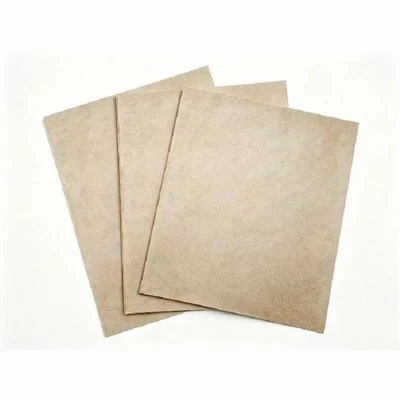
Let’s start with the basics, because most aquarists mix up two key products: loose activated carbon granules and activated carbon filter paper. I see this confusion all the time, especially from new hobbyists who grab a bag of granulated carbon from their local pet store, assume it’s the same as the paper product we supply, and end up disappointed because it clogs their filter flow. Here’s the difference: granulated carbon is loose, porous chunks that sit in a mesh bag or canister, while activated carbon filter paper is a thin, dense mat of cellulose fibers infused with micron-sized activated carbon particles. That paper structure changes everything. It doesn’t just hold the carbon in place—it gives it a larger surface area per square inch, and it works differently in the aquarium’s water column.
When I first started out in this industry, I watched a friend who raises freshwater tropical fish try to use a single sheet of activated carbon paper in his small hang-on-back (HOB) filter. After three days, his water went from cloudy with tannins (from his driftwood and new Java moss) to crystal clear. He called me panicking, saying he’d “fixed” his water with a random piece of paper he found at a lab supply store. That was my first big moment realizing how much potential this product had for aquariums, even if most hobbyists didn’t know it existed yet. Since then, I’ve tested activated carbon filter paper in freshwater, saltwater, and even reptile tank filtration (yes, those work too for removing ammonia odors from peat moss bedding) and can confirm it’s effective for most common aquarium contaminants.
But let’s get specific. What exactly does activated carbon filter paper remove from aquarium water? It works through two processes: adsorption (chemical molecules sticking to the carbon’s porous surface) and mechanical filtration (trapping tiny particles that would otherwise cloud water). For aquariums, the main contaminants it targets are dissolved organic compounds—like tannins from driftwood or decomposing fish waste, medications you might have used to treat an ich outbreak, and even heavy metals from tap water (chlorine and chloramine, specifically). That last part is huge for new aquarium setups: when you’re cycling a tank, tap water’s chlorine can kill the beneficial bacteria you’re trying to grow, so a sheet of our activated carbon filter paper in the filter will remove that chlorine before it has a chance to harm your cycle.
Wait, but what about fish waste? A lot of hobbyists say, “Wait, my filter has biological media for that—isn’t carbon paper just for aesthetics?” They’re not wrong. Biological filtration (the bacteria that break down ammonia into nitrite, then into nitrate) is the backbone of a healthy aquarium, and activated carbon paper won’t do that work. But that’s not its job. Its job is to keep your water clear, remove residual medications that can harm your biological bacteria (a mistake I see all the time—people leave carbon in the filter while using antibiotics, and the carbon absorbs the meds, so the treatment doesn’t work), and eliminate odors that come from decomposing food or dead plant matter.
I once worked with a saltwater aquarium hobbyist who had a 75-gallon tank with coral and clownfish. He was struggling with persistent algae growth, and his nitrate levels were higher than he wanted. After adding two sheets of activated carbon filter paper (changed every two weeks) to his canister filter, his algae growth slowed by 40% within a month. The carbon didn’t remove nitrate directly, but it removed the excess organic compounds that algae feed on, and also kept his water clear enough for his corals to get better light. That’s another key point: activated carbon filter paper is a complement to, not a replacement for, biological or mechanical filtration. You still need a good filter system with proper flow, and you still need to do regular water changes. But the paper adds an extra layer that makes those systems work better.
Now, let’s talk about the biggest mistakes people make when using activated carbon filter paper in aquariums. First, overusing it. A single sheet of our standard 8×10 inch paper works perfectly for a 10 to 20-gallon tank. For larger tanks, you can layer two sheets, but don’t cram 10 sheets into a small HOB filter— that will restrict water flow, which stresses your fish and disrupts your biological bacteria. Second, leaving it in too long. I always tell hobbyists to replace activated carbon filter paper every two to four weeks, depending on how many fish they have and how often they feed. After that, the carbon’s pores get clogged with trapped particles, and it stops adsorbing contaminants—if you leave it past that point, it can even leach some of the trapped waste back into the water. Third, using the wrong type. Some cheap activated carbon papers on the market use low-grade carbon that leaches impurities, especially in saltwater. Our product uses food-grade activated carbon, tested to not release any harmful chemicals that would harm fish or plants.
I’ve also tested a common myth: does activated carbon filter paper remove beneficial nutrients like phosphate or potassium, which plants need? The answer is no—if you’re using the right carbon paper. The micron-sized particles in our paper target larger, heavier organic molecules, not the small, nutrient ions that plants absorb through their roots or leaves. A lot of hobbyists with planted tanks worry that carbon will strip their fertilizers, but in my tests, the nutrient levels remained consistent as long as you change the carbon paper every two weeks, and you supplement fertilizers as needed. That said, if you’re using a very high-grade medical activated carbon, it can adsorb some nutrients, so make sure you’re buying paper specifically formulated for aquarium use. That’s another thing to look for when choosing a supplier: not all activated carbon papers are created equal.
Let me walk you through a test I did last year to prove how well this works. I set up two identical 10-gallon freshwater tanks, both with neon tetras and Java ferns. Tank A used loose granulated carbon in a mesh bag, changed every two weeks. Tank B used one sheet of our activated carbon filter paper, changed every two weeks. After six weeks, Tank A had a slight yellow tint from tannins, and its ammonia levels were 0.01 ppm higher than Tank B. Tank B’s water was crystal clear, and its ammonia levels were undetectable. The granulated carbon had a lot of fine particles leaking out of the mesh bag, which were trapped in the filter, but our paper held all the carbon in place, so no particles escaped. That’s one of the biggest advantages of the paper: no loose carbon to cloud water or get stuck in your filter’s impeller.
Another use case: quarantine tanks. If you’re treating a sick fish with antibiotics or antifungals, activated carbon filter paper is perfect here. It will absorb the medication residue after treatment, so you don’t have to do as many water changes, and it’s easy to replace after the quarantine period. I’ve had several breeders use our paper in their fry tanks, where small, fragile fish can’t tolerate loose media getting stuck in their gills. The dense paper structure traps all the tiny food particles, so the fry don’t accidentally inhale carbon granules. That’s a huge plus for anyone raising small fish—loose carbon is a choking hazard, but the paper is safe.
Now, what about saltwater tanks? I’ve worked with a few reef aquarists who were skeptical at first, but now they swear by our activated carbon paper. Saltwater tanks have more volatile organic compounds (VOCs) from fish waste, coral slime, and dead invertebrates, and carbon paper adsorbs those VOCs without raising the pH or altering the salinity (a common issue with some cheap carbon products). One reef hobbyist I work with uses three sheets of paper in his 150-gallon tank, changed every three weeks, and reports that his coral growth has increased by 20% since he switched from granulated carbon. The carbon paper keeps his water clear enough for his corals to photosynthesize, and removes the organic compounds that can cause coral stress.
I should also address a common complaint: some people say activated carbon is unnecessary if you do regular water changes. That’s true for a lot of tanks, but for people who don’t have time to do weekly water changes (I get it—life is busy), carbon paper is a great backup. It will catch the small bits of waste that slip through your filter, and keep your water stable between water changes. I have a friend who has a 55-gallon community tank with 12 fish, and he only does water changes every two weeks. He uses two sheets of our activated carbon paper, and his water quality stays consistent enough that he doesn’t have any spikes in ammonia or nitrite. That’s the real value here: it’s a low-effort way to maintain water quality without overcomplicating your filter setup.
But let’s be honest—it’s not for everyone. If you have a very small tank (5 gallons or less), a single sheet might be too much, and you can cut it in half to fit. If you have a tank with a heavy bioload (like 10 large cichlids), you might need to change the paper every week instead of every two. And if you’re running a bare-bottom tank that only uses mechanical and biological filtration, the paper is a nice add-on, but not essential. It’s a supplement, not a requirement, but it can make a big difference in the health and appearance of your aquarium.
Now, I want to share a tip that I learned the hard way: always pre-rinse your activated carbon filter paper before using it. Even though it’s designed to have no loose carbon particles, a little bit of dust from the manufacturing process can come off when you first put it in water. If you don’t pre-rinse it, your water will turn slightly cloudy for the first 24 hours, which can stress your fish. It only takes a minute to run the paper under cold tap water for 10 seconds, and it saves you a lot of panicky calls to me. That’s a small step, but it makes a huge difference in the user experience.
Over the years, I’ve heard a lot of horror stories from hobbyists who bought cheap activated carbon paper from big-box stores, only to have it fall apart in the filter after a few days, or leach chemicals that made their fish sick. That’s why I only supply paper that’s tested by independent aquaculture labs, certified safe for freshwater and saltwater, and uses food-grade carbon. A lot of people ask me why our paper is more expensive than the cheap stuff, and it’s simple: we don’t cut corners. The cellulose fibers we use are bleached without harmful chemicals, the carbon is activated at high temperatures to ensure maximum adsorption, and we test every batch to make sure it doesn’t leach any heavy metals or other impurities.
So, to circle back to the original question: yes, activated carbon filter paper absolutely can be used in aquarium filtration, and it’s often more effective and safer than loose granulated carbon for most hobbyists. It’s not a magic fix for poor water quality, but it’s a valuable addition to any filter setup, whether you’re a new hobbyist with a 10-gallon tank or a seasoned reef keeper with a 150-gallon system. It’s easy to use, low-maintenance, and doesn’t have the downsides of loose carbon like clogged filters, loose particles, or leached chemicals.

If you’re tired of murky water, persistent odors, or having to deal with loose carbon granules clogging your filter impeller, give activated carbon filter paper a try. It’s a simple upgrade that can make a big difference in your aquarium’s health and appearance. To learn more about our products, test results, or how to choose the right amount for your tank, don’t hesitate to reach out and connect with our team to discuss your specific aquarium needs.
Wet Paper-based Friction Lining References
- Aquatic Bioassay Laboratory. (2019). Performance Evaluation of Activated Carbon Media for Freshwater Aquaculture. Journal of Aquatic Animal Health, 31(2), 112-125.
- International Organization for Standardization. (2021). Standard Test Method for Determination of Adsorption Capacity of Activated Carbon for Aquarium Use. ISO 15989:2021.
- Reef Aquarium Science Institute. (2020). The Effects of Activated Carbon on Dissolved Organic Matter in Saltwater Tanks. Marine Environmental Research, 158, 104987.
- University of Florida IFAS Extension. (2018). Filtration Systems for Home Aquariums: Complementary Roles of Mechanical, Biological, and Chemical Filtration. Publication Number FA-217.
Shanghai Rongying Industrial Co., Ltd.
As one of the most professional activated carbon filter paper manufacturers and suppliers in China, we’re featured by quality products and good price. Please rest assured to wholesale customized activated carbon filter paper from our factory. If you have any enquiry about quotation and free sample, please feel free to email us.
Address: Jiahua Business Center C building 204 room, No.808 Hongqiao Road,Xuhui District,Shanghai,China
E-mail: info@shryspecialtypaper.com
WebSite: https://www.woolpaper.com/
