If you’ve ever spent time around electric tricycles—whether you use one for local deliveries, a small business run, or just personal hauling—you’ve probably had a moment where a tight schedule leaves you plugging your battery in at 10 PM and needing it ready to go by 6 AM. That three, four, maybe five-hour gap feels like just enough time to top it up, but a question nags: if the battery is already showing full charge on the charger, can I leave it plugged in longer? As someone who’s spent the last eight years working with electric tricycle batteries, first as a technician and now as part of the team supplying these packs to small delivery fleets and individual operators, this is one of the most common questions I get—second only to “how do I make my battery last longer.” Let’s break this down with real-world use cases, the science of how these batteries work, and what I’ve learned from talking to thousands of customers about their overcharging fears and mistakes. Electric Tricycle Battery
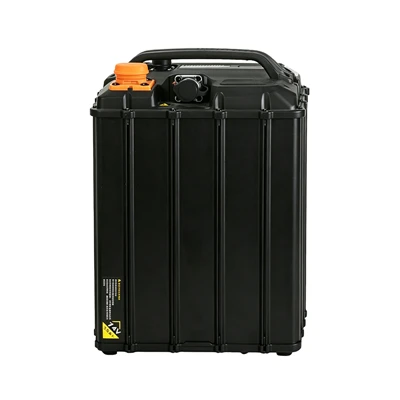
First, let’s get clear on what kind of batteries we’re talking about here. Almost all electric tricycle batteries on the market today are lead-acid (flooded or sealed, sometimes called AGM) or lithium-ion (usually lithium iron phosphate, or LFP, because they hold up better to the daily stop-and-go of cargo use than other lithium chemistries). That split matters a lot when it comes to overcharging, because the two types work totally differently. I’ve seen this play out first hand: a local delivery driver who used flooded lead-acid batteries told me last year he’d leave his pack plugged in overnight every day because his schedule didn’t let him charge during the day. After six months, his battery died 20% faster every month, and he came to us for a replacement. A driver for the same route who used LFP batteries from our line did the exact same thing, and his battery still had 90% of its original capacity two years later. That’s not a coincidence—it’s how the battery chemistry interacts with the charger and the charge cycle.
Let’s start with lead-acid batteries, since they’ve been the standard for electric tricycles for decades, especially in markets where cost is the top priority. A lead-acid battery charges in three stages: bulk, absorption, and float. In the bulk stage, the charger pumps power at a high rate to get the battery to roughly 80% full capacity quickly. Once it hits that point, it switches to absorption mode, delivering a lower, steady voltage to top off the remaining 20% while the lead plates inside react to the charge. The float stage is where things get tricky. Once the battery is fully charged, the charger drops to a very low voltage, just enough to counteract the tiny amount of self-discharge that happens even when the battery isn’t in use—about 1-2% per month for lead-acid. Here’s the catch: if your charger is old, mismatched, or cheap, it might not actually switch to the float stage properly. Some budget chargers for electric tricycles will stay in absorption mode indefinitely once they “think” the battery is full. That means the charger is still pushing higher voltage than the battery needs, which causes a process called electrolysis. Over time, electrolysis breaks down the water in the battery’s electrolyte (for flooded lead-acid) or degrades the internal plates (for sealed AGM). I’ve seen a battery that was left plugged in for three straight weeks—someone forgot to unplug it while on a cross-town delivery run—turn from a fully working 48V pack into one that could only hold a 10-minute charge. The plates had warped, and most of the electrolyte had evaporated. That’s real damage from overcharging, not a myth.
But wait—does that mean lead-acid batteries will definitely die if left plugged in too long? Not always, and not all of them. Some modern, smart chargers designed specifically for electric tricycles will shut off entirely once the battery is full, or switch to a trickle charge so low it barely uses power. The problem is that many operators use generic chargers they picked up at a local auto parts store, not the ones that come with their tricycle or batteries. I always advise customers to use a charger that’s matched to their battery’s voltage and amp-hour rating. For example, a 48V 20Ah tricycle battery needs a 48V charger rated for 20Ah—plugging in a 30Ah charger will push too much current, even if it says it stops when full, because it’s not calibrated for your specific pack. That’s a mistake that leads to what people call “overcharging,” even if it’s actually a mismatch between charger and battery.
Now let’s talk about lithium-ion batteries, specifically LFP, which are becoming more common for electric tricycles as their price comes down. LFP batteries are way more forgiving when it comes to charging, but they still have rules. A quality LFP battery for electric tricycles has a built-in Battery Management System (BMS)—that’s the small circuit board that monitors each cell in the pack, controls charging, and keeps the battery safe. When an LFP battery is full, the BMS will cut off the charging current entirely. No more power goes in, even if the charger is still plugged in. That’s a game-changer. I had a customer last year who ran a fleet of 10 electric tricycles for a food delivery app. His team would charge every battery at night, and sometimes workers would plug two batteries into the same charger (don’t do that, by the way) or leave them plugged in for 12+ hours by mistake. After six months, none of those LFP batteries showed any signs of damage—their capacity was still at 95% of original, per our routine checks. But when he had a fleet of lead-acid batteries before switching to LFP, that same mistake would have killed at least two batteries a month.
That doesn’t mean lithium-ion batteries are immune to overcharging, though. The key here is the BMS—if your battery doesn’t have a good one, or if the BMS is faulty, then you can get overcharging damage. A low-quality off-brand tricycle battery might use a cheap BMS that doesn’t cut off charging when full, or that allows cell voltages to get too high. When lithium cells get overcharged beyond their safe voltage limit (for LFP, that’s around 3.65V per cell), the internal chemistry breaks down, producing heat and gas. In extreme cases, that can lead to swelling or even a fire, though that’s rare in electric tricycle use unless the battery is damaged or counterfeit. I’ve seen a counterfeit LFP tricycle battery that the seller advertised as having a BMS, but when we opened it up, it was just a piece of plastic with wires glued on. That battery got left plugged in for three days, and it swelled so big it wouldn’t fit in the tricycle’s battery compartment anymore. That’s the risk of skipping reputable suppliers and buying cheap, untested batteries.
So now that we know the difference between lead-acid and LFP, what’s the real answer to “can I overcharge my electric tricycle battery?” The short version is: it depends on the battery type, the charger, and how long you leave it plugged in. But the nuance is what matters for people relying on their tricycle for work or daily use. Let’s pull this into real, actionable advice that I’ve tested and shared with customers for years.
First, never leave a flooded lead-acid battery plugged in longer than 24 hours, even with a smart charger. These batteries self-discharge more, and the risk of electrolysis is high, especially in hot weather. If you need to top up your battery but can only do it over 12 hours, check the charger mid-charge to make sure it switched to float mode. For sealed AGM lead-acid, you can leave them plugged in a bit longer—up to 48 hours—because they have less electrolyte to evaporate, but still don’t make it a habit.
For LFP batteries with a proper BMS, leaving them plugged in overnight is totally safe. That’s actually one of the reasons LFP is becoming so popular for electric tricycles—operators don’t have to rush to unplug their battery as soon as it’s full. But here’s the fine print: if your charger is old or damaged, don’t take that for granted. I recommend testing your charger every six months to make sure it stops delivering current when the battery is full. You can do this with a simple multimeter, or bring it by our shop and we’ll check it for free for any of our customers.
Another common mistake people make that they call “overcharging” isn’t actually overcharging at all—it’s deep discharging. If you run your electric tricycle until the battery is completely dead, leaving it at 0% charge for days or weeks, that causes way more damage than leaving it plugged in too long. I’ve had a customer who took two weeks off for vacation, left his tricycle’s battery in the garage completely dead, and when he came back, the battery wouldn’t hold a charge at all. We had to replace it, and he told me he’d never have that problem if he’d just plugged it in to top up. That’s a mistake I see all the time—people avoiding charging because they think it’s bad, or forgetting it entirely, which is worse than a few extra hours plugged in.
There are also some myths about overcharging that I want to clear up, because they cause more problems than they solve. One myth is that topping up your battery multiple times a day, even if it’s not completely dead, causes overcharging. That’s not true for either lead-acid or LFP batteries. Modern chargers and BMS are designed to handle partial charges. In fact, topping up your battery when it’s at 50% or 60% charge is actually better for its long life than letting it run all the way down to 0% every time. That’s called shallow charging, and it extends battery life by hundreds of charge cycles. I have a delivery driver who charges his LFP tricycle battery every time he stops for lunch, even if it’s only at 40%—his battery is still going strong after three years, and he’s put 12,000 miles on it. That’s proof that “overcharging” from frequent top-ups isn’t a real issue for quality batteries.
Another myth is that charging your battery in hot weather causes overcharging. Heat is bad for batteries, but that’s more from the general operating temperature than from being plugged in. If your charger is sitting in the sun all day, or your tricycle is parked in a hot garage, the battery will charge faster and generate more heat, which can speed up degradation. But that’s not overcharging—it’s heat-related wear. The fix here is to park your tricycle in a shaded, cool area when possible, not to avoid charging, which would cause deep discharge instead.
So what should you actually do to avoid overcharging your electric tricycle battery, regardless of type? First, use the right charger. This is non-negotiable. If you bought your tricycle from a reputable brand, keep the original charger. If you need a replacement, make sure it’s rated for your battery’s voltage (48V, 60V, etc.) and amp-hour (10Ah, 20Ah, etc.)—don’t grab a random charger from a big-box store. Second, know your battery’s BMS (if it’s LFP). If it has a proper BMS, leaving it plugged in overnight is safe. If you have a lead-acid battery, don’t make a habit of leaving it plugged in for more than 12 hours, especially in hot weather. Third, track your battery’s performance. If you notice it taking longer to charge, or not holding as much charge as it used to, that’s a sign something is wrong—either with the charger, the BMS, or the battery itself. Don’t ignore that; bring it to a trusted battery supplier to get it checked out.
As someone who’s been in this industry for years, the biggest frustration I see is people falling for cheap, counterfeit batteries from unvetted suppliers, which don’t have the safety features to handle even normal charging, let alone accidental overcharging. Those batteries are the ones that cause the stories of swollen packs or early failure, and they make it harder for customers to trust the batteries we supply. That’s why we test every single battery we sell, make sure each LFP pack has a certified BMS, and provide customers with clear guidelines on charging and maintenance.
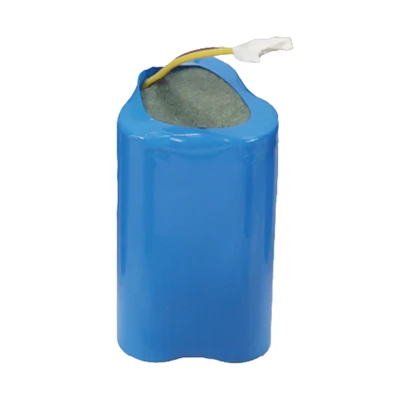
At the end of the day, the answer to “can I overcharge my electric tricycle battery?” is not a simple yes or no. It depends on the components you’re using, how you use your tricycle, and a little common sense. For quality LFP batteries with a working BMS, overnight charging is totally safe, and the risk of overcharging is almost zero. For lead-acid batteries, a little extra caution with the charger and charge time will go a long way.
Electric Tricycle Battery If you’re in the market for a reliable electric tricycle battery, or you have questions about your current battery’s charging habits, we’re here to help. We work with individual operators, small delivery fleets, and any business that relies on electric tricycles for daily use, and we can help you find the right battery and charger for your needs. Whether you’re dealing with a failing battery, trying to extend your current pack’s life, or just want to make sure you’re charging correctly, feel free to reach out to us to learn more and discuss your requirements.
References
- Electric Power Research Institute. (2021). Lead-Acid Battery Maintenance for Stationary and Transportation Applications. EPRI Press.
- Lithium Ion Battery Safety Alliance. (2022). Best Practices for Charging Lithium Iron Phosphate Batteries in Light Electric Vehicles. LIBSA Technical Report.
- International Lead Association. (2020). Overcharging Risks and Mitigation for Flooded and Valve-Regulated Lead-Acid Batteries. ILA Standards Series.
- US Department of Energy. (2019). Shallow vs. Deep Charging for Automotive Batteries. Vehicle Technologies Office.
- European Lithium Battery Association. (2021). Battery Management System Requirements for Light Electric Commercial Vehicles. ELBA Technical Bulletin.
Zhuhai Greaton Electronic Technology Co., Ltd.
As one of the most professional electric tricycle battery manufacturers and suppliers in China, we have world-leading production equipment and strong manufacturing capabilities. Please rest assured to wholesale advanced electric tricycle battery in stock here from our factory. Customized orders are welcome.
Address: 2nd Floor, Building A3, No. 6, Liulu, Xinqing Science and Technology Industrial Park, Jing’an Town, Doumen District, Zhuhai City
E-mail: wangchen1@psbattery.cn
WebSite: https://www.cngreaton.com/
