In the dynamic landscape of food processing industries, precision and reliability are non – negotiable. As a seasoned supplier of capacitive liquid level sensors, I’ve witnessed firsthand the growing curiosity and demand for these sensors in food – related operations. The question that often arises is: Can a capacitive liquid level sensor be used in food processing industries? Let’s delve into this topic comprehensively. Capacitive Liquid Level Sensor
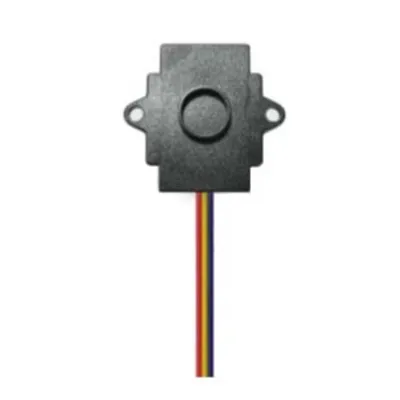
Understanding Capacitive Liquid Level Sensors
Before we explore their applicability in the food processing sector, it’s essential to understand what capacitive liquid level sensors are. A capacitive liquid level sensor works based on the principle of capacitance. Capacitance is the ability of two conductive plates separated by a dielectric material to store an electrical charge. When the dielectric constant of the material between these plates changes, the capacitance also changes. In the context of liquid level sensing, the liquid acts as the dielectric. As the liquid level rises or falls, the dielectric constant within the sensing area changes, and the sensor measures this change to determine the liquid level.
These sensors offer several advantages. They are highly accurate, capable of detecting even small changes in liquid levels. They are also non – intrusive in many cases, which means they can be installed outside the container, minimizing the risk of contamination. Moreover, they are reliable and can operate in a wide range of temperature and pressure conditions.
Food Processing Industry Requirements
The food processing industry has unique requirements that any sensor must meet to be considered suitable. Firstly, hygiene is of utmost importance. All equipment used in food processing must be easy to clean and sanitize to prevent the growth of harmful bacteria and ensure food safety. Additionally, materials used in sensors must be food – grade, meaning they should not leach any harmful substances into the food products.
Secondly, the sensors need to be accurate and reliable. Precise liquid level measurement is crucial in food processing for various reasons, such as maintaining consistent product quality, preventing over – filling or under – filling of containers, and ensuring efficient use of ingredients.
Finally, the sensors should be able to withstand the harsh environments commonly found in food processing plants. These environments may include exposure to high temperatures, humidity, and chemicals used for cleaning and disinfection.
Suitability of Capacitive Liquid Level Sensors in Food Processing
Hygiene and Food – Grade Materials
Many capacitive liquid level sensors are designed with hygiene in mind. They can be manufactured using food – grade materials such as stainless steel or special plastics that are approved for contact with food. These materials are resistant to corrosion and can be easily cleaned using standard food industry cleaning agents. For example, some sensors have smooth surfaces without any crevices or joints where food particles or bacteria can accumulate, making them ideal for use in food processing.
In addition, non – intrusive capacitive sensors can be mounted on the outside of food containers. This eliminates the need for the sensor to come into direct contact with the food, further reducing the risk of contamination. This is particularly beneficial in applications where the food product is sensitive or where strict hygiene standards must be maintained.
Accuracy and Reliability
Capacitive liquid level sensors offer high levels of accuracy, which is essential in the food processing industry. Whether it’s measuring the level of milk in a storage tank, the amount of syrup in a mixing vessel, or the level of cooking oil, precise measurements ensure consistent product quality. For instance, in the production of beverages, accurate liquid level control is necessary to maintain the correct ratio of ingredients, resulting in a uniform taste and texture across all batches.
These sensors are also known for their reliability. They have no moving parts, which reduces the likelihood of mechanical failure. This means less downtime for maintenance and replacement, allowing food processing operations to run smoothly and efficiently.
Resistance to Harsh Environments
Food processing plants often have harsh operating conditions. Capacitive liquid level sensors can be designed to withstand high temperatures, humidity, and exposure to chemicals. Some sensors are equipped with protective coatings or enclosures that shield them from the corrosive effects of cleaning agents and the moisture in the air. This makes them suitable for use in various food processing applications, from hot food cooking areas to cold storage facilities.
Applications of Capacitive Liquid Level Sensors in Food Processing
Dairy Industry
In the dairy industry, capacitive liquid level sensors are used to monitor the level of milk in storage tanks, silos, and processing vessels. They ensure that the milk is stored at the correct level and that the right amount of milk is transferred during processing. This helps to maintain the freshness and quality of the dairy products.
Beverage Industry
For beverage production, these sensors are crucial for measuring the level of liquids such as water, fruit juices, and carbonated drinks. They are used in mixing tanks, bottling lines, and storage containers to ensure accurate filling and consistent product quality. In addition, they can be used to detect the presence or absence of liquid in pipes, preventing dry running of pumps and reducing the risk of equipment damage.
Bakery and Confectionery
In the bakery and confectionery industry, capacitive liquid level sensors are used to monitor the level of ingredients such as sugar syrups, chocolate, and other viscous liquids. They help in controlling the amount of these ingredients added to the mixtures, which is essential for producing high – quality baked goods and candies.
Challenges and Considerations
While capacitive liquid level sensors offer many benefits for food processing industries, there are also some challenges and considerations. One of the main challenges is the presence of foam or air bubbles in the liquid. Foam can interfere with the capacitance measurement, leading to inaccurate level readings. However, some advanced capacitive sensors are designed to compensate for the effects of foam and can still provide reliable measurements.
Another consideration is the calibration of the sensors. To ensure accurate measurements, the sensors need to be calibrated correctly, taking into account the properties of the liquid being measured, such as its dielectric constant. This may require some technical expertise and regular calibration checks.
Conclusion
So, can a capacitive liquid level sensor be used in food processing industries? The answer is a resounding yes. These sensors offer a combination of accuracy, reliability, and hygiene that make them well – suited for the unique requirements of the food processing sector. With the use of food – grade materials, resistance to harsh environments, and the ability to provide precise level measurements, capacitive liquid level sensors are an excellent choice for a wide range of food processing applications.
Optical Level Sensor If you are in the food processing industry and are looking for a reliable liquid level sensing solution, I encourage you to reach out. Our team of experts can provide you with detailed information about our capacitive liquid level sensors, including their specifications, installation requirements, and how they can be customized to meet your specific needs. Contact us today to start a discussion about how our sensors can enhance the efficiency and quality of your food processing operations.
References
- "Industrial Sensors: Theory, Applications, and Troubleshooting" by John R. Cogdell
- "Food Processing Technology: Principles and Practice" by P. J. Fellows
- Technical papers on capacitive sensing technology from leading sensor manufacturers.
Shenzhen Fineherc Technology Co., Ltd.
As one of the most experienced capacitive liquid level sensor suppliers in China, we’re featured by quality products and low price. Please feel free to buy discount capacitive liquid level sensor made in China here from our factory. Welcome to view our website for more information.
Address: 5th Floor, Building D, No. 39, Keji East Road, Torch Development Zone, Zhongshan City,China
E-mail: fineherc@hotmail.com
WebSite: https://www.fineherc.com/
