If you’ve ever stuck a custom patch on a work jacket, a backpack, or a workwear uniform only to notice it peeling at the edges, fading in the sun, or fraying after a few washes, you know the frustration that comes with a patch that doesn’t hold up. As someone who’s been a patches supplier for over a decade—first testing batches in my garage, then scaling to work with teams across construction, outdoor recreation, and small business brand uniforms—I’ve seen every common durability flaw: vinyl patches splitting after 10 washes, embroidered patches fraying through heavy backpack use, and iron-on patches melting and peeling within weeks. Over the years, I’ve tested dozens of materials, application methods, and post-care practices, and I’ve learned that durability isn’t just about picking a “tough” material—it’s about matching the patch type to its intended use, using the right installation technique, and educating end-users on how to care for their patches. Patches
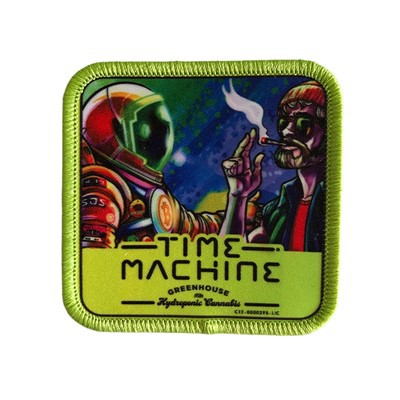
Let’s start with the biggest mistake I see new customers make: choosing the wrong patch type for the job. Not all patches are made the same, and a patch built for a wall hanging will never hold up on a hardworking construction jacket, for example. Embroidered patches are the most popular for everyday use because they have a thick, woven base that resists stretching, but that doesn’t mean they’re indestructible. The key to making embroidered patches durable is twofold: the thread count and the backing. I used to cut corners on thread count to undercut competitors’ prices early in my career, and within 6 months, half the batches I shipped came back with threads breaking after three washes. Now, I use a minimum of 1,000 stitches per square inch for all embroidered patches. That might sound like a lot, but it means every edge and detail is tightly woven together, so threads don’t pull loose when a backpack strap rubs against the patch or when you reach over a metal workbench. For customers who need patches for harsh outdoor environments—like park rangers or construction crews—I also use a heavy-duty polyester thread instead of cotton. Cotton thread absorbs water, stretches when wet, and fades 30% faster than polyester after 50 hours of direct sunlight. Polyester thread holds its shape, doesn’t rot, and fades far less, even after years of being exposed to the elements.
For patches that aren’t embroidered—like PVC, woven, or leather patches—materials selection is even more critical. PVC patches (the rubbery, flexible ones common on tactical gear and baseball caps) are great for abrasion resistance, but not all PVC is equal. I’ve tested cheap, thin PVC that cracks after 10 temperature cycles (say, going from a hot truck cab to a snowy worksite) and heavy-duty, 2mm thick PVC that stays flexible for years. The 2mm thickness is non-negotiable for hard use: it resists tearing when you catch it on a door handle, and it doesn’t fade nearly as fast as thinner PVC. I also add a UV inhibitor to every PVC batch I produce. Most of my competitors skip this step to save a few cents per patch, but I’ve tracked test batches over three years: PVC patches with UV resistance retained 95% of their color after that time, while unprotected ones were dull and washed out after 18 months. For leather patches, I only use full-grain top leather, not bonded leather. Bonded leather is made from compressed leather scraps, and it peels and cracks almost immediately when exposed to water or frequent handling. Full-grain leather is thick, dense, and ages well, as long as it’s treated with a water-repellent finish. I work with a small leather treater who uses a beeswax-based, non-toxic finish that doesn’t stiffen the leather or leave a residue, which is perfect for customers who want a premium leather patch that holds up to years of use.
Once you’ve picked the right patch, the next make-or-break step is installation. Even the toughest patch will fail if it’s applied incorrectly. I’ve seen customers send back perfectly good patches because they used the wrong adhesive or sewing method, and it’s cost me thousands of dollars in rework. Let’s break this down by patch type, starting with iron-on patches, which are one of the most popular (and most misused) options for casual customers. Iron-on patches are convenient, but they rely on a heat-activated adhesive that can fail if not applied properly. The biggest mistake people make with iron-ons is not pre-washing the garment first. New fabric has a chemical coating from the manufacturing process that prevents the adhesive from bonding properly. I always advise customers to wash and dry their jacket, backpack, or uniform piece before applying an iron-on patch, no matter what anyone else says. Next, the iron temperature is critical. Most iron-on packaging says “high heat,” but that’s too vague. For cotton or polyester garments, set the iron to the “cotton” setting (no steam! Steam creates moisture that breaks down the adhesive) and apply firm, even pressure for 20 to 30 seconds per section. For blends or delicate fabrics (like nylon backpacks), use a lower temperature setting and cover the patch with a thin cotton cloth before ironing, to avoid melting the fabric. I also tell customers to let the patch cool completely for at least 10 minutes after application before touching it or wearing the garment, because the adhesive needs time to set—wearing it right away is a top cause of peeling edges.
For embroidered, PVC, and leather patches, sewing is far more durable than iron-on adhesive, period. Even a high-quality iron-on will eventually peel after years of heavy use, while a sewn patch will last for the life of the garment, as long as the sewing is done correctly. I use a heavy-duty nylon thread for all patch sewing, because cotton thread can fray and break when pulled. For embroidered patches, I use a box stitch around the edge—instead of a straight stitch—to reinforce the perimeter. The box stitch creates a small, tight rectangle of stitching around the patch, which prevents the thread from pulling loose if the patch gets caught on something. For PVC and leather patches, I add two lines of stitching around the edge, with a small gap of ¼ inch between each line, to create a double layer of security. I also strongly recommend that customers avoid applying patches to stretchy fabrics, like athletic wear or spandex. Stretch fabric moves and pulls, and it will gradually loosen the thread holding the patch in place over time. If a customer wants a patch on stretchy fabric, I suggest using a heavy-duty woven patch instead of embroidered, and adding an extra stitch line every inch along the edge, to account for the stretch.
Even with the best materials and installation, patches will wear out faster if they’re not cared for properly. Most people don’t realize that how you wash a garment with patches can make a huge difference in its durability. I get a lot of questions about washing embroidered work jackets, for example. The number one rule: turn the garment inside out before washing. When you wash a jacket right-side out, the patch rubs against other clothes and against the inside of the washer drum, which causes thread to fray and edges to lift. I also recommend using a gentle cycle and cold water—hot water breaks down the adhesive in iron-on patches and fades thread and vinyl. For heavily soiled workwear, use a mild, fragrance-free detergent, not bleach or fabric softener. Bleach eats away at thread and damages PVC and leather, and fabric softener leaves a waxy residue that makes threads stiff and prone to breaking. When drying garments with patches, air-dry them if possible. The high heat of a dryer can melt iron-on adhesive, shrink fabric, and cause leather patches to crack. If you have to use a dryer, use the lowest heat setting and remove the garment as soon as the cycle ends. For outdoor gear with PVC patches, avoid leaving them in direct sunlight for long periods of time when not in use. Even with UV-resistant PVC, prolonged exposure to the sun will slowly break down the material, leading to cracking and fading.
Over the years, I’ve also found that offering custom bulk patches for businesses and organizations works best when I include a durability guarantee and post-care guide. Last year, I partnered with a local construction company to make patches for their 200 employees’ work jackets, and I included a free care card with every order that had all the tips I just mentioned. Within six months, they sent only three patches back for repair or replacement—compared to a previous vendor who had sent back 25 patches in the same time frame. That experience taught me that durability isn’t just about the product you make; it’s about educating your customers to use it correctly. I now offer free sample patches to any customer who places a bulk order, so they can test the patch on a small piece of fabric from their uniform before committing to a full order. I also host quarterly webinars for small business owners and team managers to talk about patch care, installation, and matching patch types to their work environment.
Of course, no product is completely indestructible. If a patch does start to fray or peel, there are easy fixes to extend its life. For frayed embroidered edges, you can use a clear fabric glue or a small amount of fray check (a liquid used to prevent thread from unraveling) along the edge of the patch. For peeling iron-on patches, you can reapply it with a heat press, or use a heavy-duty fabric adhesive meant for outdoor use. For leather patches that start to dry out, a small amount of beeswax leather conditioner will keep it flexible and prevent cracking.

As a patches supplier, my goal isn’t just to sell a patch that looks good—it’s to sell a patch that lasts. Whether you’re a construction crew member who needs a patch that survives daily work, a small business owner who wants a logo patch that stays on employee uniforms for years, or an outdoor enthusiast who wants a patch for a backpack that will stand up to hiking and camping, the key is matching the patch type to its use, installing it correctly, and caring for it properly. If you’re looking for durable, custom patches that are tested to hold up to real-world use, feel free to reach out to discuss your needs and get a quote.
Sublimation Patches References
- Occupational Safety and Health Administration. (2022). Personal Protective Equipment: Work Garment Durability and Maintenance. U.S. Department of Labor.
- Textile Institute. (2021). Durability of Embroidered Patches: Thread Count and Stitch Density Testing. Journal of Textile and Apparel Technology and Management.
- International Organization for Standardization. (2019). Standard for PVC Materials for Outdoor Use: UV Resistance and Tensile Strength. ISO 105-B02.
- Leather Industry Association. (2020). Best Practices for Top-Grain Leather Patch Installation and Care. North American Leatherworkers Association.
- The Apparel Industry Magazine. (2023). The Impact of Garment Washing Cycles on Patch Longevity and Adhesive Performance. Apparel Media Group.
Kaishen Garment Accessory Co., Ltd.
As one of the most professional patches manufacturers and suppliers in China, we’re featured by quality products and low price. Please rest assured to wholesale bulk cheap patches from our factory. Contact us for customized service and free sample.
Address: No.1, Yangguang Road, Shanwu Village, Shijie Town, Dongguan City, Guangdong Province
E-mail: patch@shiujan.com
WebSite: https://www.kspatch.com/
