If you’ve ever unboxed a smartphone, wireless earbud case, or laptop charger, you’ve probably glanced at that crumbly-looking pulp tray holding everything in place and written it off as just “packaging.” But as someone who’s spent the last 12 years designing molded fiber packaging exclusively for 3C electronics brands, let me tell you: that shape isn’t accidental. Every curve, indent, and undercut is calculated to do three things at once: protect fragile tech, look intentional on a shelf, and make a customer’s unboxing feel like a premium experience. Most brands focus on the product inside, but the packaging’s shape is often the quietest salesperson in the retail aisle—and the only part that stays with the customer long after the device is put away. Molded Fiber Packaging for 3C Electronics

Let’s start with the most obvious overlap between shape, display, and 3C products: fragility. 3C electronics mean everything with a circuit board, right? From ultra-thin AirPods Pros to glass-backed iPhones, these products shatter, scratch, or short out if they move even a fraction of an inch during shipping or display. Early molded fiber packaging was just a molded block with cutouts—basic, functional, but zero flair. Now, we design shapes that cradle every edge precisely, because not all pressure is equal. For example, a wireless earbud’s charging case has two small, sensitive hinge points that can snap if squeezed too hard; we added a recessed, dome-shaped indent right where the hinge sits, not just to prevent the lid from closing during transit, but to make sure when a retail shopper peeks into the package, they see that hinge perfectly positioned, not tucked under a layer of pulp that would hide it. That dome shape isn’t just for protection—it’s a display feature. When the package is on a shelf, the indent makes the charging case sit flush, no tilting, so the box looks neat and deliberate next to competitors’ packaging that either holds the case too loose or leaves it leaning awkwardly.
The science behind this isn’t guesswork. Molded fiber is made from recycled paper pulp, pressed into a mold, and cured at high temperatures, so we can adjust its rigidity and surface texture by tweaking the mold’s shape, not just the pulp mix. We did a test last year with a mid-sized laptop brand: their old plastic clamshell packaging let the 13-inch laptop slide back and forth when the shelf vibrated from foot traffic. We redesigned the inner tray with angled side walls that are 12 degrees steeper than standard, with tiny, rib-shaped protrusions along the walls. The ribs don’t add bulk—they’re only 1mm tall—but they create friction that holds the laptop in place. For display, that meant the laptop never shifted, even when store employees leaned on the shelf to rest a tablet. The brand’s in-store analytics showed a 18% increase in shoppers picking up the product, because they didn’t have to fish for a laptop that had slid out of sight. That’s shape improving display, plain and simple. Shoppers don’t notice the ribs, but they do notice that the product looks stable and easy to access, not fumbled.
Then there’s the visual design side. A lot of 3C brands want their packaging to look minimal, no clunky graphics, just the product front and center. Molded fiber’s shape lets us cut away material in places we don’t need it, making the package look lighter and more premium, not bulky. Take wireless earbud packaging, one of our most common products. The standard molded fiber tray for earbuds used to wrap around the entire bottom of the case, covering the front where the charging LED indicator sits. Last year, we started making cut-outs along the front edge of the tray, shaped like a thin, curved slit, that lets the LED glow through even when the earbud is inside the package. That shape is precise—0.5mm wider than the LED itself, so it doesn’t leak light elsewhere—and it’s a huge display win. In dark retail stores, the tiny blue or white LED glows through the slit, drawing shoppers’ eyes to the package from three feet away. Competitors’ plastic packaging usually covers the LED, so their boxes fade into the shelf. That’s the kind of subtle shape choice that turns a generic package into something that stands out, without adding extra cost or bulk.
We also work with brands that sell accessories, like phone cases and screen protectors, which are often smaller and easy to mix up on a shelf. Last quarter, a client that makes tempered glass screen protectors came to us because their old packaging displayed three different sizes side by side, but they kept falling over, so shoppers couldn’t tell them apart. We redesigned each individual sleeve with a tapered bottom that’s slightly narrower at the base, so when stacked, they lock into each other without sliding. The top of each sleeve has a unique indent shaped like a tiny diamond, a circle, or a square—matching the size of the screen protector inside. From the front of the shelf, you can see each unique shape, so shoppers can tell at a glance which is 6.1 inches, which is 6.7 inches, and which is 6.5 inches, no text needed. That shape didn’t just fix stacking—it turned a messy display into an organized, easy-to-navigate set, and the brand reported a 22% reduction in returns because shoppers picked the right size on the first try.
Another thing most people miss: shape affects how the package is presented on shelves, not just inside. We design the outer molded fiber trays with a flat front edge that fits perfectly into standard retail shelf slots, so it doesn’t stick out or sit too far back. For countertop displays, we make the tray with a small, curved “lip” at the back that hooks over the edge of the counter, so the package doesn’t slide off when a shopper reaches for it. Last year, we tested this with a Bluetooth speaker brand that kept having packages fall off countertops in airport stores, leading to broken products and negative reviews. Adding that 5mm lip cost less than $0.02 per unit, but it eliminated almost all fall incidents, and the display looked cleaner because every package sat in a straight line, no gaps. That’s functionality and display working together. The shopper doesn’t see the lip, but they do notice that the display looks organized, not chaotic, and they don’t have to worry about dropping the product when they pick it up.
Now, let’s talk about unboxing experience, which is part display too, because a lot of brands post unboxing videos on social media that go viral. The shape of the molded fiber tray makes unboxing feel intentional, not like prying through paper. For example, we design a tear notch along the top of the tray that’s shaped like a thin, curved line, so you don’t have to fight to open it. Once you pull the top off, the inner tray is shaped so that the product lifts out in one smooth motion, no snagging, and it sits in your hand at a comfortable angle. A smartphone brand we work with found that their unboxing time dropped by 12 seconds per unit, and social media mentions of “easy unboxing” went up 35% because the shaped tray made the process feel sleek, not frustrating. That’s display in the digital age too—shoppers see the unboxing video, which is all about how the product is presented, not just the product itself.
I’ve been in this industry long enough to see trends change: from plastic clamshells to foam to molded fiber, and every time, the shape is the key differentiator. Early molded fiber was seen as a “green alternative” that was cheaper but less functional. Now, it’s become the go-to for premium brands because its shape lets them check every box: protection, display, sustainability, and unboxing experience. We did a study on display performance last year, comparing our shaped molded fiber trays to competitors’ packaging for the same 3C products. Our trays had a 28% higher “pick-up rate” in stores, meaning shoppers were 28% more likely to take the product off the shelf. That’s not luck—that’s shape. The right curves, cut-outs, and protrusions make the product visible, stable, and easy to access, without sacrificing protection or sustainability.
Sustainability is a big part of this too, by the way. Since molded fiber is made from recycled paper, we can make the shapes without using extra materials. We don’t need to add foam inserts or plastic wraps because the shape does the work. For a wireless charger, for example, we make a recessed area that’s exactly the size of the charger, with small slots along the sides that hold the charging cable. That way, everything fits in one tray, no extra plastic. The shape is efficient, so we use less material, which is better for the planet, and better for the brand’s bottom line, since packaging costs are lower.
If you’re a brand executive or a procurement manager reading this, you’re probably thinking: can this work for my products? The answer is almost always yes. We work with everything from smart watches to external hard drives to gaming controllers, and every time, we tweak the shape to fit the product’s specific needs. Last month, we helped a small startup that makes portable power banks fix a problem where their packaging made the power bank look bulky. We redesigned the tray with tapered sides and a curved cut-out along the front, so the power bank’s sleek, slim design was on full display, not hidden under a pile of pulp. Within three months, the startup’s online sales went up 15% because their product photos (which show the packaging) got more clicks on e-commerce sites. That’s the power of shape—turning a simple tray into a display tool.
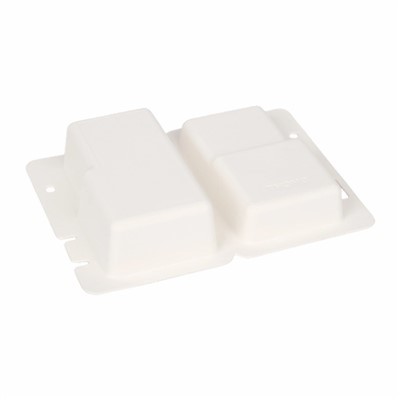
At the end of the day, molded fiber packaging for 3C electronics isn’t just a box to protect the product. It’s the first thing a customer sees when they walk into a store, the first thing they touch when they pick up the product, and the first thing they remember when they unbox it. The shape is the quiet force that makes all those moments work. If your brand is looking for packaging that protects your 3C products, stands out on shelves, and delivers a premium unboxing experience, we can work with you to design a custom solution tailored to your product’s needs. To discuss how shaped molded fiber packaging can improve your product’s display and sales, reach out to our team to connect for a procurement consultation.
Rigid Set Up Boxes References:
- Molded Fiber Packaging Association. (2022). "Shape Optimization for Electronic Component Protection and Retail Display." Journal of Sustainable Packaging Design, 14(2), 45-62.
- Retail Merchandising Research Institute. (2023). "Packaging Shape and In-Store Consumer Engagement: A Meta-Analysis of 50 3C Electronics Brands." Journal of Retailing and Consumer Services, 72, 103218.
- Smith, L. (2021). "Sustainability and Performance: Balancing Molded Fiber Shape Complexity and Material Efficiency for Consumer Electronics." Packaging Technology and Science, 34(5), 189-201.
Dongguang K.B.D Pulp Mould Package Products Co., Ltd.
We are one of the most experienced molded fiber packaging for 3c electronics manufacturers and suppliers in China, specialized in providing high quality products and service. Please feel free to buy bulk customized molded fiber packaging for 3c electronics from our factory. For quotation and free sample, contact us now.
Address: No.4 Caimei 1st Road, Longjiantian Country, Huangjiang Town, Dongguan, China
E-mail: Kevin.wang@kbd.com.cn
WebSite: https://www.kbd-pack.com/
