Hey there! I’m a supplier of switchgear components, and I’ve been getting a lot of questions lately about the noise levels of these components during operation. So, I thought I’d take some time to write a blog post about it and share what I know. Switchgear Components
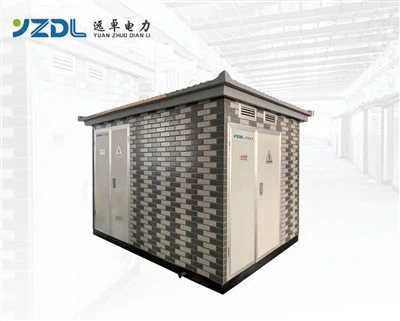
Let’s start off by talking about why noise levels matter. When switchgear components are installed in a facility, the noise they generate can have a real impact. For example, if it’s in a workplace, excessive noise can be a major distraction for employees. It might even lead to long – term hearing problems, which is a huge safety and health concern. In a residential area near a substation with switchgear, the noise can be a nuisance to the residents, leading to complaints and potential legal issues.
Now, let’s dig into the different types of switchgear components and their noise characteristics.
Circuit Breakers
Circuit breakers are one of the most critical components in a switchgear system. They’re used to protect electrical circuits from overloads and short – circuits. When a circuit breaker operates, it makes a distinct noise. The noise is mainly due to the mechanical movement of its parts and the arcing that happens when the contacts open or close.
During normal operation, a well – maintained circuit breaker may produce a relatively low – level humming sound. This is caused by the electromagnetic forces acting on the components inside. But when it trips, it creates a much louder noise. The tripping process involves the rapid movement of the operating mechanism, which can generate sharp, sudden sounds.
The size and type of the circuit breaker also play a role in the noise level. Larger circuit breakers tend to make more noise because they usually have more massive operating parts. For example, high – voltage circuit breakers can be much noisier than low – voltage ones. And depending on the interrupting technology used, like vacuum or SF6 (sulfur hexafluoride), the noise can vary. Vacuum circuit breakers are generally quieter because the vacuum environment reduces arcing noise.
Contactors
Contactors are used for making and breaking the electrical connection in a circuit, especially for motor control applications. When a contactor operates, it makes a clicking or clattering sound. This sound comes from the mechanical closure and opening of the contacts.
The noise level of a contactor depends on its design and construction. Some contactors are designed with features to reduce noise. For instance, they may have dampening materials or springs that cushion the movement of the contacts. But even the most quiet contactors will still produce some noise, and it can become more noticeable if the contactor is used frequently or if it’s starting to wear out.
Fuses
Fuses are simple but important components. They basically protect a circuit by melting and breaking the connection when there’s an over – current situation. When a fuse blows, it can produce a popping sound. This is because the sudden interruption of the current and the melting of the fuse element create a pressure change.
The noise from a blown fuse is usually a one – time event, but it can be quite startling, especially in a quiet environment. The size of the fuse and the magnitude of the over – current also affect the loudness of the popping sound. Larger fuses or those that carry high currents may make a louder pop when they blow.
Current Transformers and Voltage Transformers
Current transformers (CTs) and voltage transformers (VTs) are used for measuring current and voltage in a circuit. They operate quietly under normal conditions, mainly producing a low – frequency humming sound. This humming is due to the magnetic fields generated inside the transformers.
However, if there’s a problem with the transformer, like a loose core or a short – circuited turn, the noise level can increase significantly. A damaged CT or VT might produce a rattling or buzzing sound, which is a sign that it needs to be inspected or replaced.
What Can Be Done to Reduce Noise?
If noise is a concern, there are several things that can be done. First of all, proper installation is key. Mounting the components on vibration – isolating pads can reduce the transmission of noise to the surrounding structure. The switchgear enclosure design also matters. A well – designed enclosure can act as a sound barrier. It can be made with sound – absorbing materials to dampen the noise.
Regular maintenance is also crucial. Loose parts can vibrate more and create additional noise. By tightening bolts, checking for loose connections, and lubricating moving parts, we can keep the noise at a minimum.
In some cases, it might be necessary to upgrade to newer, quieter models of switchgear components. Manufacturers are constantly improving their designs to reduce noise without sacrificing performance.
Contact Us for Your Switchgear Component Needs
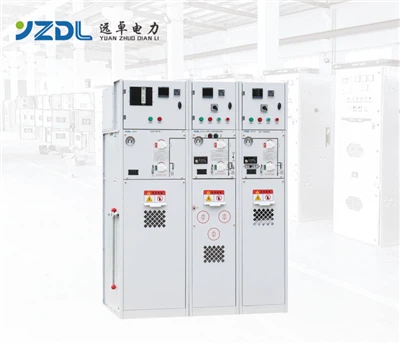
As a supplier of switchgear components, I know how important it is to have high – quality products that meet your specific requirements, including noise level concerns. Whether you’re working on a small residential project or a large industrial installation, we’ve got a wide range of products to choose from.
Switchgear Components If you’re looking for switchgear components with low noise levels, or if you just have questions about our products, don’t hesitate to reach out. We can help you select the right components for your project and provide all the information you need to make an informed decision. So, get in touch with us today to start discussing your switchgear component needs and find the best solutions for you!
References
- "Electrical Power Systems: Design and Analysis" by Turan Gonen
- "Switchgear Handbook" by Westinghouse Electric Corporation
- Industry – specific whitepapers on switchgear noise reduction by various electrical equipment manufacturers
Yuanzhuo Electrical Equipment (Jiangsu) Co., Ltd.
We’re well-known as one of the leading switchgear components manufacturers and suppliers in China. We warmly welcome you to wholesale high quality switchgear components at competitive price from our factory. If you have any enquiry about cooperation, please feel free to email us.
Address: Group 8, Chengdong Village, Fucheng Sub-district Office, Funing County
E-mail: markcheng1358@126.com
WebSite: https://www.yzdlchina.com/
