Hey there! I’m a supplier of cast parts, and I’ve been in this game for quite a while. One question I often get asked is, "What factors affect the lead time for cast parts?" Well, there are quite a few things that come into play, and I’m gonna break them down for you in this blog. Cast Parts
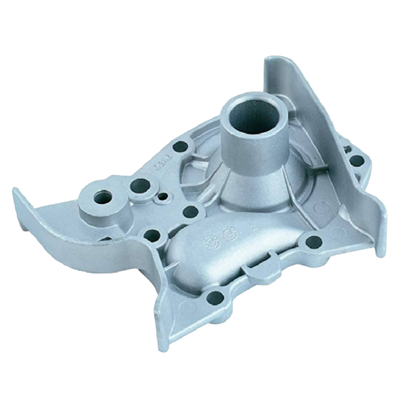
Design Complexity
First off, let’s talk about design complexity. If you’ve got a super simple cast part design, like a basic block or a simple cylinder, it’s gonna be a lot quicker to make than a part with intricate details, thin walls, or complex geometries. For simple designs, we can usually whip up a mold and start casting in no time. But when the design gets complicated, it takes a whole lot more planning and precision.
We’ve gotta make sure the mold can handle all those details without any issues. Sometimes, we might need to use special techniques or equipment to create the mold, which can add days or even weeks to the lead time. For example, if a part has a lot of internal cavities, we might have to use a core-making process, which adds an extra step to the manufacturing process.
Material Selection
The type of material you choose for your cast part also has a big impact on the lead time. Some materials are easier to work with than others. For instance, aluminum is a popular choice for casting because it’s lightweight, has good corrosion resistance, and is relatively easy to melt and pour. We can usually source aluminum quickly and get the casting process started right away.
On the other hand, materials like stainless steel or certain high – strength alloys can be a bit more of a hassle. They often require higher melting temperatures, special melting equipment, and more careful handling. Sometimes, getting the right grade of these materials can take longer because they might not be as readily available in our inventory. And if we need to order them from a supplier, we’ve gotta wait for the shipment to arrive, which can delay the whole process.
Quantity Ordered
The quantity of cast parts you order is another major factor. If you’re only ordering a few pieces, we can set up a small – scale production run. This is great for prototypes or small, custom projects. But it still takes time to set up the equipment, make the mold, and do all the necessary testing.
However, if you’re ordering a large quantity, like thousands of parts, we need to plan a full – scale production run. This involves more detailed scheduling, making sure we have enough raw materials on hand, and ensuring that our production line can handle the volume. While larger quantity orders can sometimes be more efficient in terms of cost per part, they usually have a longer lead time because of all the planning and coordination involved.
Quality Requirements
When it comes to quality, the stricter the requirements, the longer the lead time. For some applications, a basic level of quality is enough. But for industries like aerospace or medical, where safety and performance are critical, the quality standards are extremely high.
To meet these high – quality standards, we have to do a lot more testing and inspection. We might need to use advanced non – destructive testing methods, like X – ray or ultrasonic testing, to check for any internal defects in the cast parts. And if a part fails the quality inspection, we have to re – work or scrap it and start the process over again. All of these extra steps add time to the overall production process.
Supply Chain Issues
The supply chain can also throw a wrench in the works. Sometimes, we rely on external suppliers for things like raw materials, molds, or special tools. If there are any disruptions in the supply chain, such as a delay in shipping from a supplier, a shortage of a particular material, or a problem with a manufacturing partner, it can significantly impact our lead time.
For example, if we’re waiting for a specialized mold to be made by an outside vendor and they run into production issues, our whole production schedule is affected. We’ve also seen problems with raw material shortages due to factors like natural disasters, trade disputes, or global market fluctuations. In these cases, we have to find alternative suppliers or wait until the situation resolves itself, which can cause significant delays.
Production Capacity
Our own production capacity at the factory is another aspect to consider. If our factory is running at full capacity with a lot of existing orders, it will take longer to fit your order into the schedule. We might have to wait for some ongoing projects to finish before we can start working on yours.
However, if we have some available production slots, we can usually start on your order right away. That’s why it’s always a good idea to contact us as early as possible, especially if you have a tight deadline. We can then give you an accurate estimate of the lead time based on our current production capacity.
Seasonal Factors
Believe it or not, seasonal factors can also affect the lead time for cast parts. For example, during holidays or peak vacation periods, our workforce might be reduced. Some key staff members might be on vacation, and it can be harder to maintain the same level of productivity.
In addition, some suppliers might also operate on reduced schedules during certain seasons, which can lead to delays in getting the raw materials or other components we need. So, if you’re placing an order around the holidays or during other peak seasonal periods, it’s important to take these factors into account.
Well, there you have it! These are the main factors that can affect the lead time for cast parts. As a supplier, we do our best to minimize these delays and get your parts to you as quickly as possible. But it’s important for you to understand these factors so you can plan your projects accordingly.

If you’re in the market for cast parts and want to discuss your specific needs, feel free to reach out to us. We’re always happy to have a chat and help you figure out the best way to get your cast parts made in a timely and cost – effective manner.
Metal Stamped Parts References
- Manufacturing Handbook: Casting Processes and Materials
- Industry Reports on Metal Casting Supply Chain Management
- Journal of Materials Engineering and Performance: Quality Control in Casting Operations
Hangzhou Zhalihui Import And Export Co., Ltd.
We are one of the most experienced cast parts manufacturers and suppliers in China, specialized in providing high quality customized products. Please feel free to buy discount cast parts in stock here from our factory. Contact us for quotation.
Address: Room 2801, Building 2, Taifu Plaza, No.17, Tonghui Middle Road, Chengxiang Street, Xiaoshan, Hangzhou, Zhejiang
E-mail: Chars_1979@hotmail.com
WebSite: https://www.zhalihui.com/
