As a seasoned supplier in the valve actuator industry, I’ve encountered numerous inquiries regarding the distinctions between fail-safe and non-fail-safe valve actuators. These two types of actuators serve different purposes and are suited for various applications. In this blog, I’ll delve into the key differences, their respective advantages and disadvantages, and help you determine which one is the best fit for your specific needs. Valve Actuator

Understanding the Basics
Let’s start with the fundamental definitions. A fail-safe valve actuator is designed to move the valve to a pre-determined safe position in the event of a power failure, loss of control signal, or other critical malfunctions. This safe position could be fully open, fully closed, or somewhere in between, depending on the requirements of the system. On the other hand, a non-fail-safe valve actuator does not have this automatic fail-safe feature. It will remain in its current position when power or control is lost.
How Fail-Safe Valve Actuators Work
Fail-safe valve actuators typically rely on a secondary power source or stored energy to achieve the fail-safe function. There are several common methods used to implement this:
- Spring Return: This is one of the most common types of fail-safe mechanisms. A spring is incorporated into the actuator, and when power is lost, the spring releases its stored energy to move the valve to the safe position. For example, in a fire protection system, a spring-return actuator can close the valve to prevent the spread of fire and smoke.
- Gas Accumulator: Some fail-safe actuators use a gas accumulator to store energy. When the primary power fails, the gas pressure is released to drive the actuator to the safe position. This method is often used in applications where a large amount of force is required to move the valve.
- Battery Backup: In some cases, a battery backup system can be used to power the actuator during a power outage. The battery provides enough energy to move the valve to the safe position. This is a popular option for smaller actuators and applications where a reliable power source is not always available.
Advantages of Fail-Safe Valve Actuators
- Enhanced Safety: The primary advantage of fail-safe valve actuators is the increased safety they provide. In critical applications such as chemical processing, oil and gas, and power generation, a fail-safe actuator can prevent dangerous situations by ensuring that the valve moves to a safe position in the event of a failure.
- Compliance with Regulations: Many industries have strict safety regulations that require the use of fail-safe valve actuators. By using these actuators, you can ensure that your system meets the necessary safety standards.
- Peace of Mind: Knowing that your valve will automatically move to a safe position in case of a failure gives you peace of mind. You can focus on other aspects of your operations without worrying about the potential consequences of a valve malfunction.
Disadvantages of Fail-Safe Valve Actuators
- Higher Cost: Fail-safe valve actuators are generally more expensive than non-fail-safe actuators due to the additional components and mechanisms required to implement the fail-safe function.
- Complexity: The fail-safe mechanism adds complexity to the actuator, which can increase the likelihood of maintenance issues and reduce the overall reliability of the system.
- Limited Options: In some cases, the fail-safe position may not be suitable for all applications. For example, in a water treatment plant, a fail-safe valve that closes during a power outage may cause damage to the system if the water flow is suddenly stopped.
How Non-Fail-Safe Valve Actuators Work
Non-fail-safe valve actuators operate based on the continuous supply of power and control signals. They do not have a built-in mechanism to move the valve to a safe position in the event of a failure. Instead, they rely on external controls and monitoring systems to detect and respond to malfunctions.
Advantages of Non-Fail-Safe Valve Actuators
- Lower Cost: Non-fail-safe valve actuators are generally less expensive than fail-safe actuators because they do not require the additional components and mechanisms for the fail-safe function.
- Simplicity: Non-fail-safe actuators are simpler in design and operation, which can reduce the likelihood of maintenance issues and increase the overall reliability of the system.
- Flexibility: Non-fail-safe actuators offer more flexibility in terms of valve positioning and control. They can be used in applications where the valve does not need to move to a specific safe position in the event of a failure.
Disadvantages of Non-Fail-Safe Valve Actuators
- Reduced Safety: The main disadvantage of non-fail-safe valve actuators is the reduced safety they provide. In the event of a power failure or control malfunction, the valve will remain in its current position, which may lead to dangerous situations.
- Lack of Compliance: In some industries, the use of non-fail-safe valve actuators may not be compliant with safety regulations. This can result in fines and other penalties if the system is found to be non-compliant.
- Increased Risk: Without a fail-safe mechanism, there is an increased risk of system failures and downtime. This can have a significant impact on productivity and profitability.
Choosing the Right Valve Actuator
When choosing between a fail-safe and non-fail-safe valve actuator, it’s important to consider the specific requirements of your application. Here are some factors to consider:
- Safety Requirements: If your application involves hazardous materials or critical processes, a fail-safe valve actuator is likely the best choice. It can provide an extra layer of protection and ensure the safety of your system and personnel.
- Cost: The cost of the actuator is an important consideration, especially if you have a large number of valves in your system. Non-fail-safe actuators are generally less expensive, but you need to weigh the cost savings against the potential risks.
- System Complexity: If your system is complex and requires precise control, a non-fail-safe actuator may be more suitable. However, if your system is relatively simple and the safety of the process is a top priority, a fail-safe actuator is the better option.
- Regulatory Compliance: Make sure to check the relevant safety regulations and standards for your industry. In some cases, the use of fail-safe valve actuators may be required by law.
Conclusion
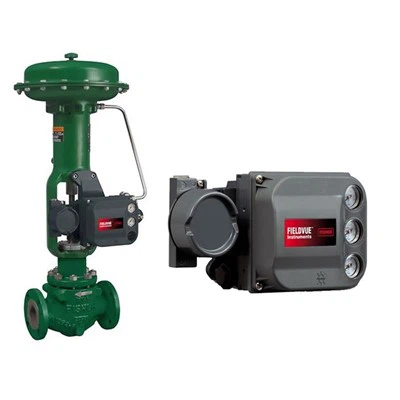
In conclusion, the choice between a fail-safe and non-fail-safe valve actuator depends on the specific requirements of your application. Fail-safe actuators offer enhanced safety and compliance with regulations, but they come at a higher cost and increased complexity. Non-fail-safe actuators are more cost-effective and simpler in design, but they provide less safety and may not be compliant with certain regulations. As a valve actuator supplier, I can help you evaluate your needs and recommend the best solution for your system.
Valve Actuator If you’re interested in learning more about our valve actuators or have any questions, please don’t hesitate to contact us. We’re here to assist you in finding the right valve actuator for your application and ensuring the safety and reliability of your system.
References
- Smith, J. (2020). Valve Actuator Handbook. New York: Industrial Press.
- Johnson, R. (2019). Safety Considerations in Valve Actuator Selection. Journal of Process Safety, 35(2), 123-132.
- Brown, A. (2018). Fail-Safe Valve Actuators: Design and Applications. London: Elsevier.
Century Weiye (Dalian) Control Equipment Co., Ltd.
As one of the leading valve actuator manufacturers and suppliers in China, we warmly welcome you to buy discount valve actuator in stock here from our factory. If you have any enquiry about quotation, please feel free to email us. Quality products and reasonable price are available.
Address: 2205, Building 8, Red Star International, Ganjingzi District, Dalian City, Liaoning Province
E-mail: serena@valvesjwy.com
WebSite: https://www.valve-sjwy.com/
